

The Viviani bequests
The Viviani bequests form one of the most significant parts of the Graphic Arts Collection of the Galleria Nazionale delle Marche, bringing together drawings and paintings donated by the historic Viviani family of Urbino and preserving an important artistic legacy.
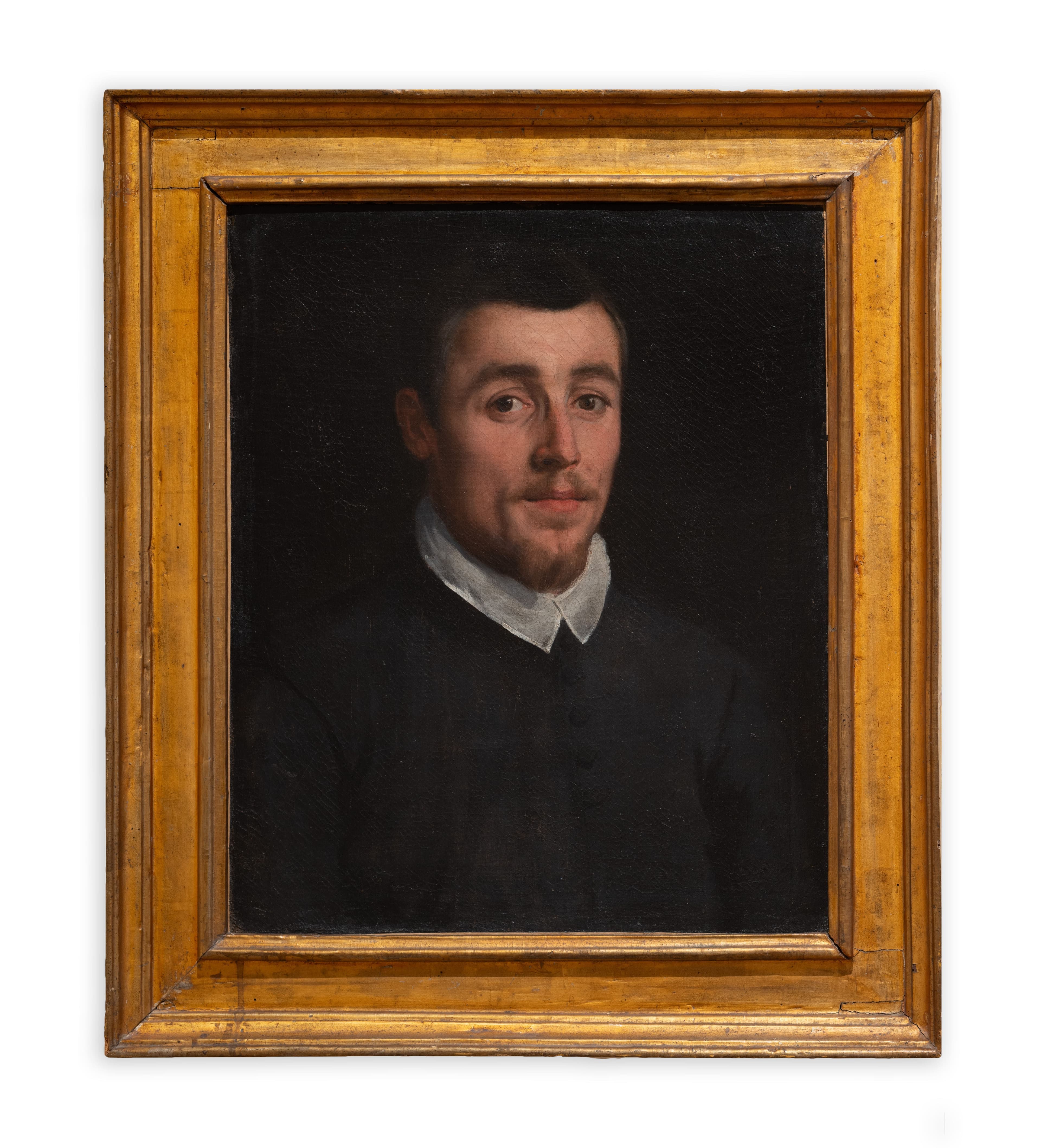
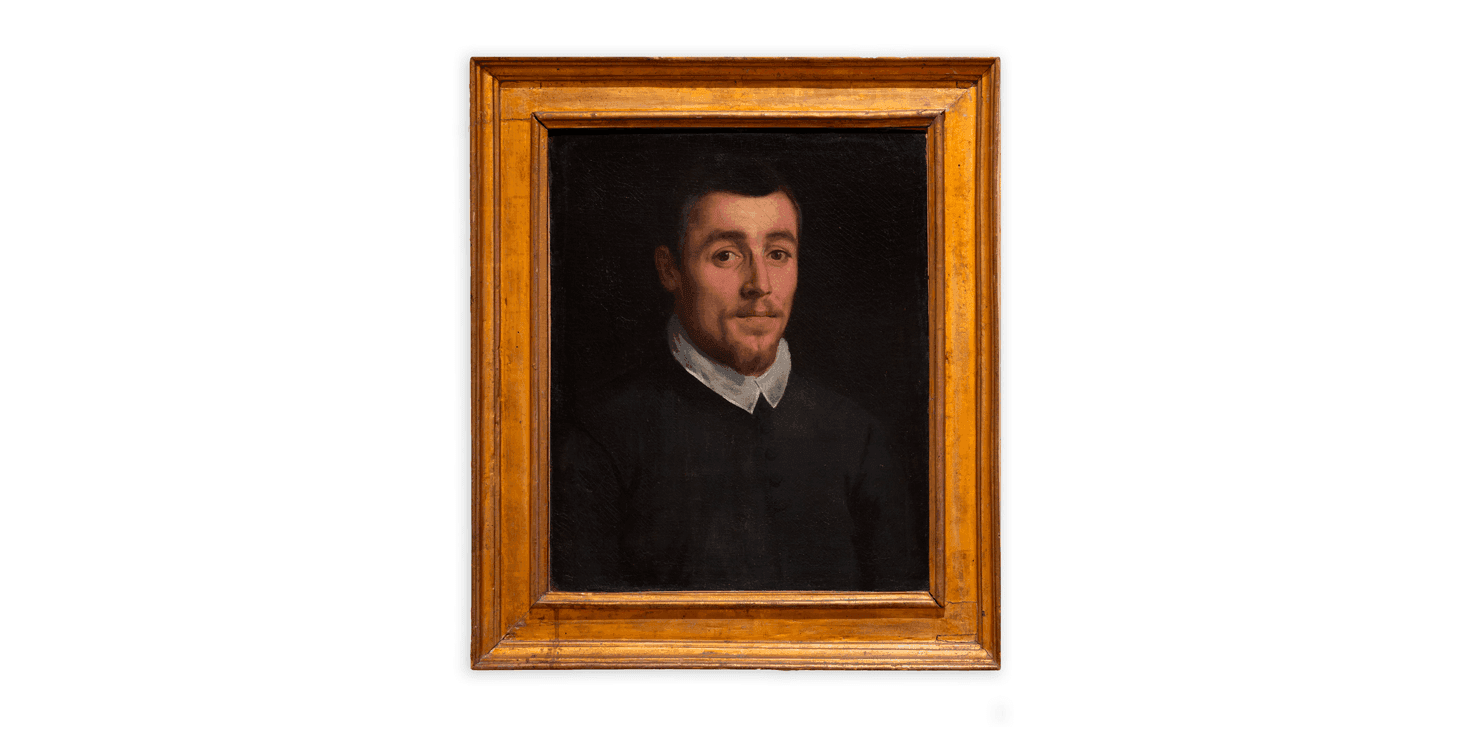
Most of the drawings that make up the graphic collection of the Galleria Nazionale delle Marche are the result of two bequests from the noble Viviani family of Urbino, whose historic palace on Via Lavagine now houses the prestigious headquarters of the Accademia Raffaello. The first group of drawings, numbering 166, entered the museum on temporary loan in 1920, although it was officially converted into a bequest in 1922 in accordance with the will of Count and engineer Filippo Viviani Della Massa.
The second collection, however, entered the museum in 1936 by the will of Adele De Buzi in Viviani Della Massa, Filippo’s widow, who died in Rome in 1934. The sole heir and nephew of the noblewoman, the lawyer Giuseppe Pace of Jesi, played a significant role in this second bequest. The deceased’s will, in fact, included in the bequest to the National Gallery of the Marche, or rather, to the Ducal Palace in Urbino, only the paintings present in the hall of the family’s Urbino palace and made no mention of the many framed drawings hanging on the walls—which were indeed considered paintings—or those stored in cupboards. Pace, however, interpreting his aunt’s wishes, included in the bequest the 107 graphic works as well.
As for the paintings, not all of them were deemed worthy, according to the tastes of the time, of being included in a government gallery; for this reason, the Ministry of National Education set up a committee to select the most valuable works or those of the greatest historical and artistic interest from among those left by De Buzi. The committee consisted of the Superintendent of Medieval and Modern Art for the Marche and Dalmatia, Guglielmo Pacchioni; the director of the Palazzo Ducale, Luigi Renzetti; and the young art historian Giulio Carlo Argan, a pupil of Lionello Venturi, who had joined the fine arts administration as early as 1933. Initially, 31 paintings were selected for the Marche gallery; however, four of these—the Baroque-influenced works attributed to Antonio Viviani, known as ‘il Sordo’—were passed on to some of the widow’s grandchildren, bringing the total down to just 27 works.
With regard to the Viviani picture gallery, one should not overlook the article written by the art historian Egidio Calzini in 1909 for the journal “Rassegna bibliografica dell’arte italiana”, which was most likely also the guide followed by the committee in selecting the paintings. Calzini, promising to analyse the fine drawings “at another time”, focuses solely on the finest paintings in the collection; among these, he cannot fail to mention Claudio Ridolfi’s portrait of Felice Cioli, considered “the finest male portrait in the collection”, still on display today in the Gallery, alongside what were believed to be the portraits of Francesco Maria II Della Rovere and his wife Livia Feltria, belonging to the same bequest.
Discover the works
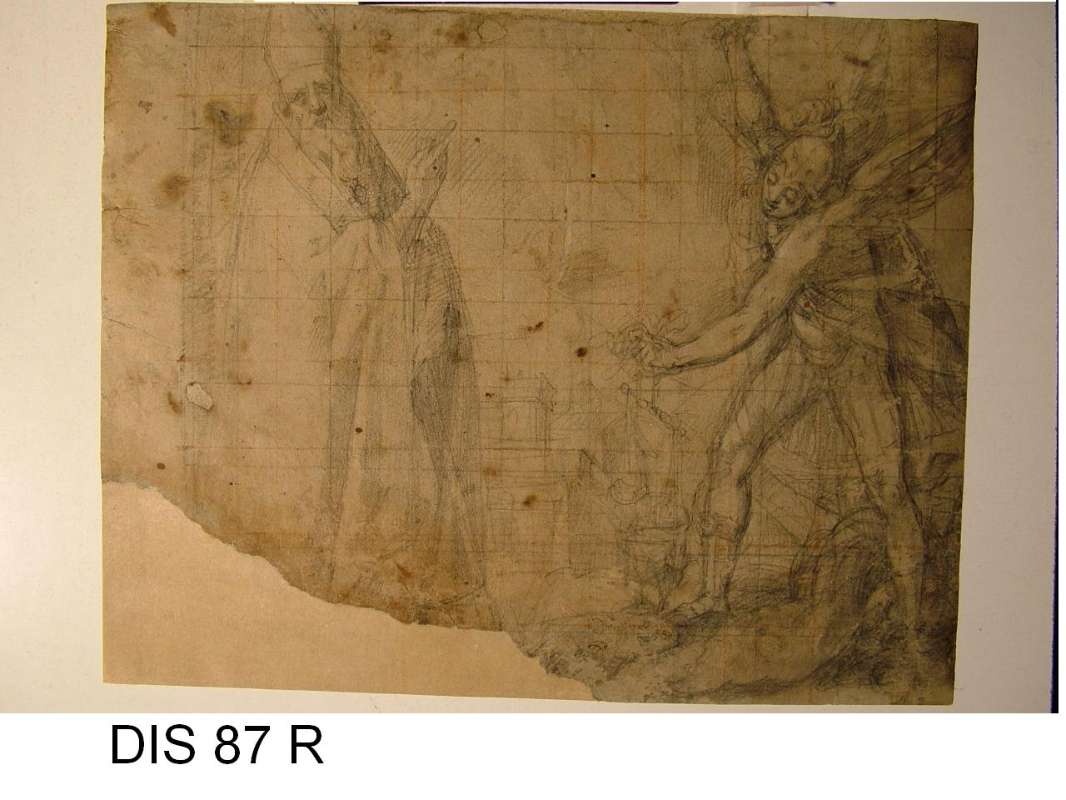
San Michele Arcangelo e un santo vescovo
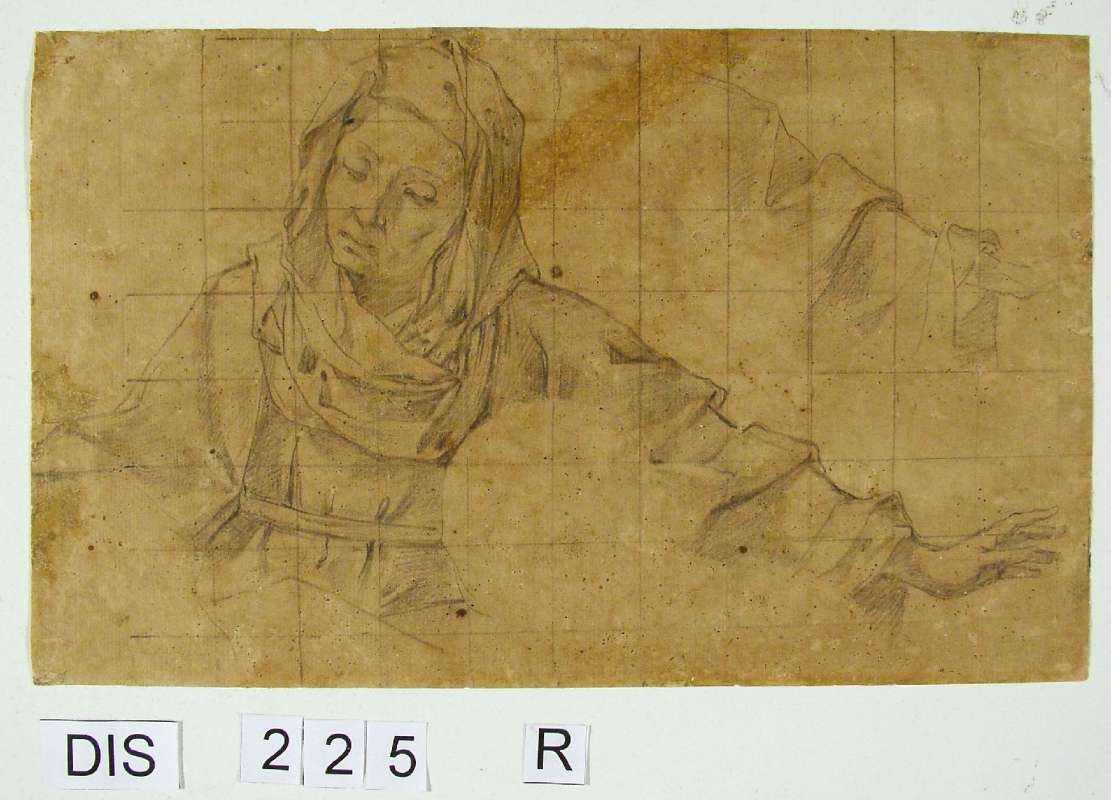
Studio per la Vergine
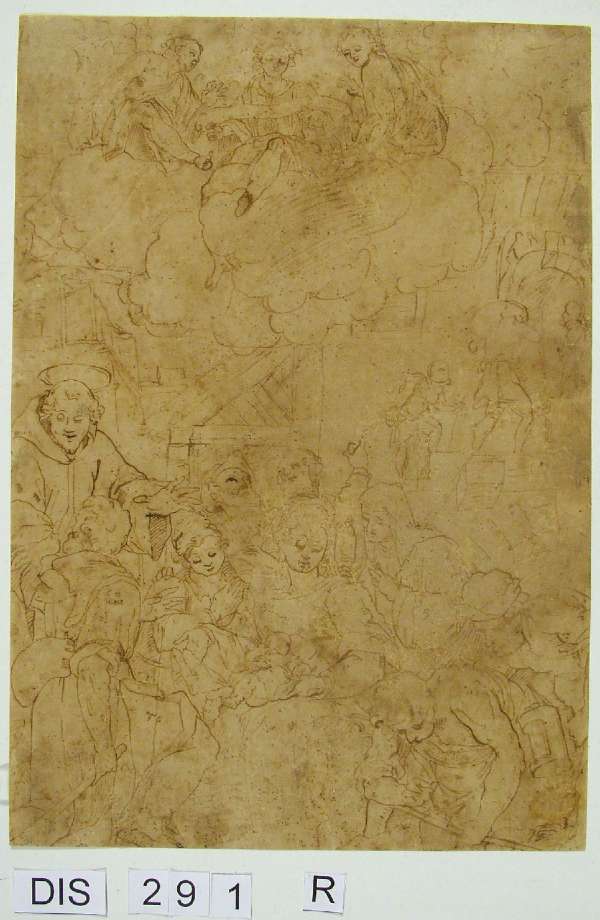
adorazione dei pastori
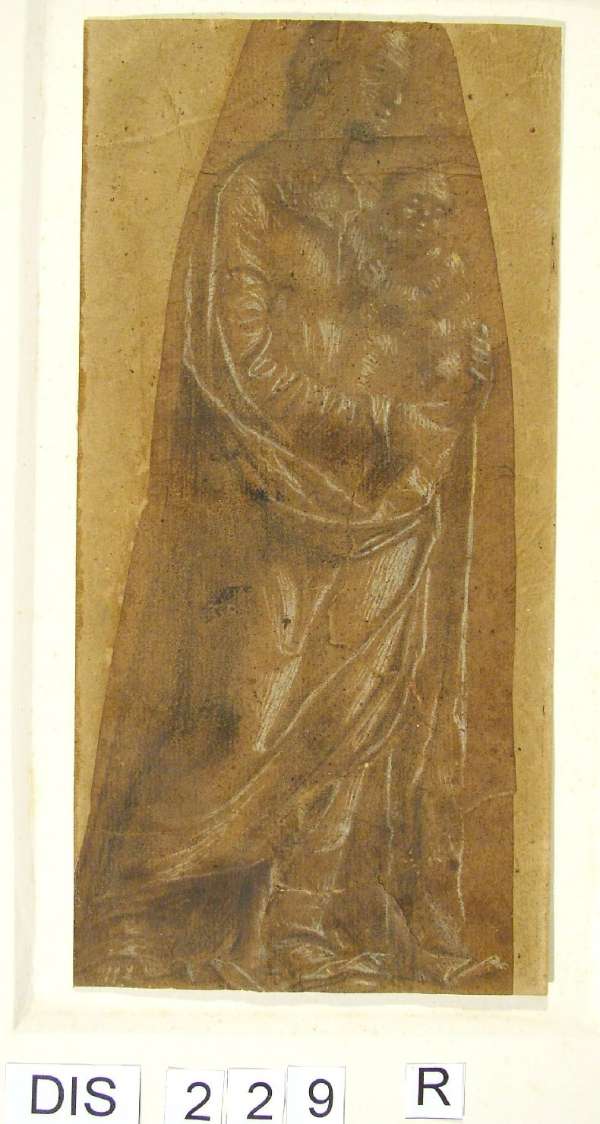
Madonna con Bambino
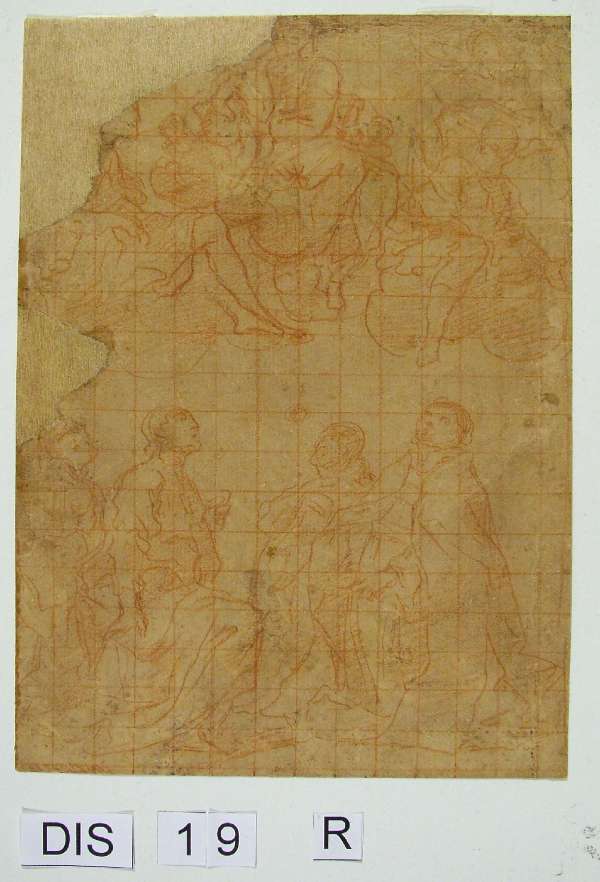
Madonna con Bambino in gloria e santi
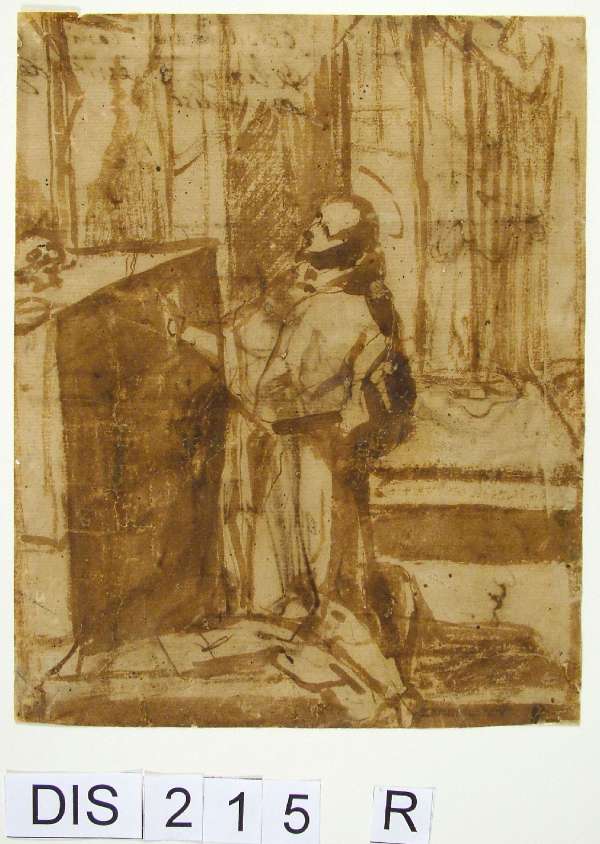
San Carlo Borromeo
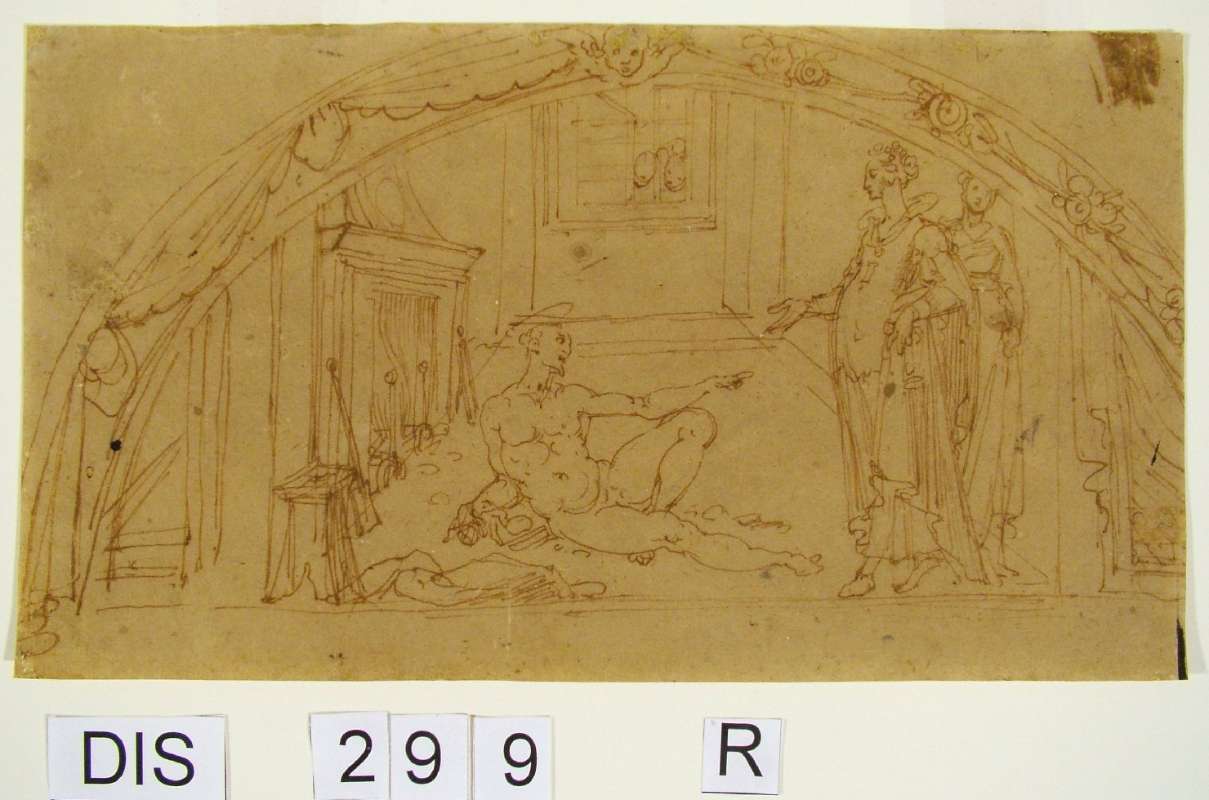
tentazioni di San Francesco d'Assisi
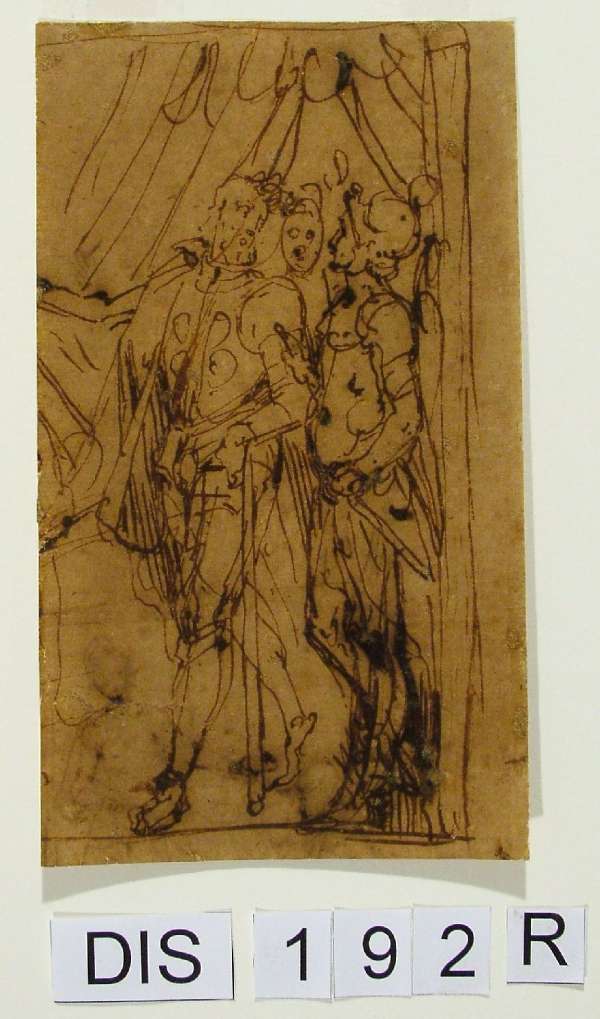
Studio di figure virili armate
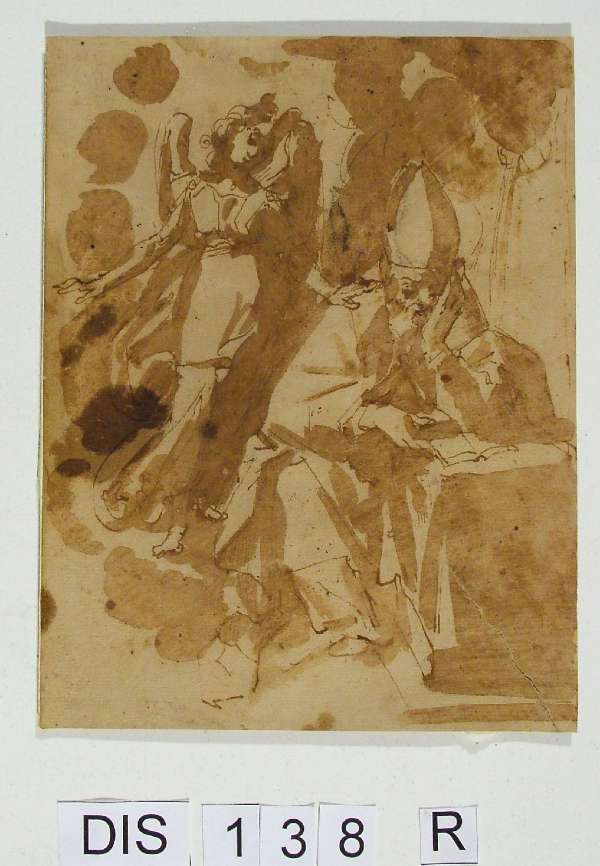
Santo vescovo e angelo
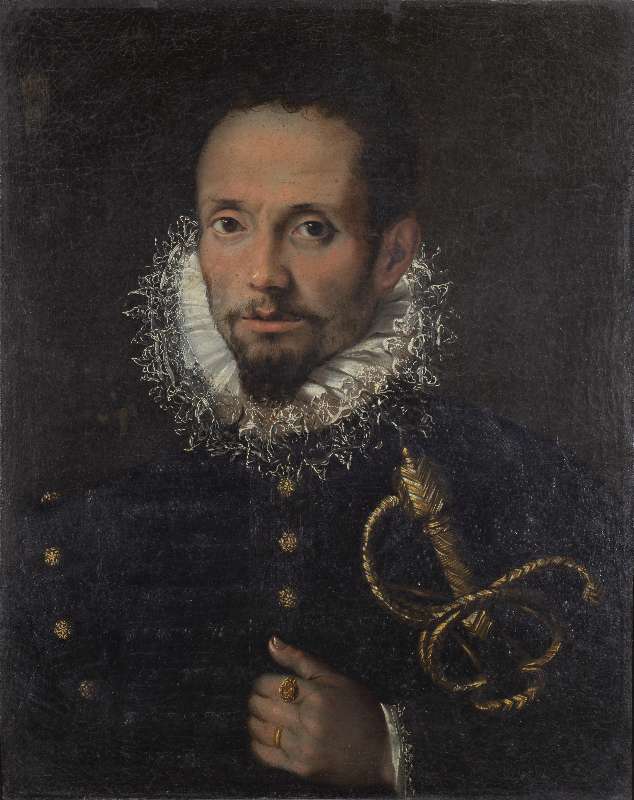
Ritratto di gentiluomo
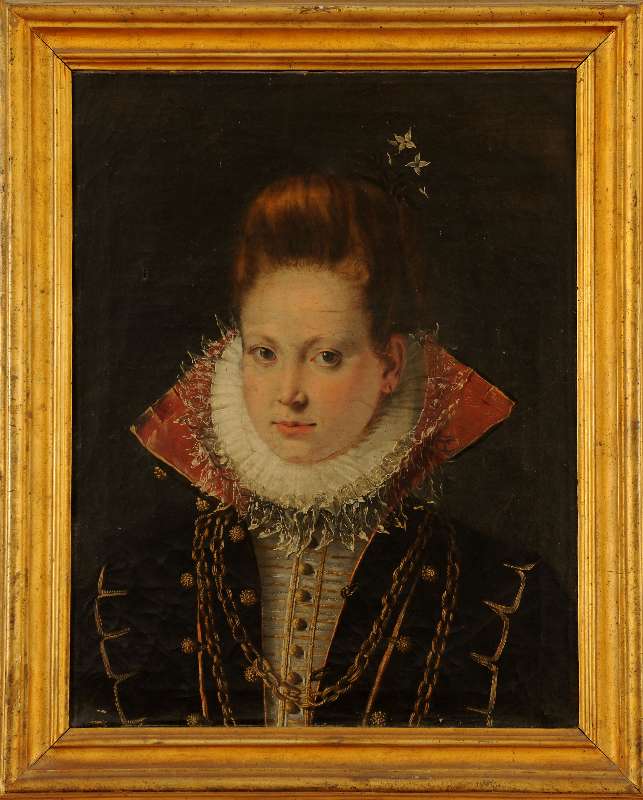
Ritratto di gentildonna
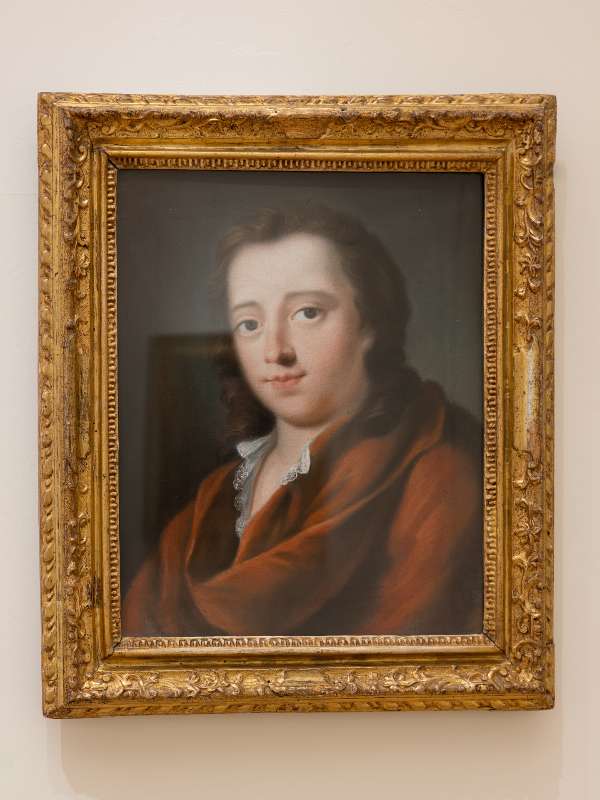
Ritratto di uomo
You might also like
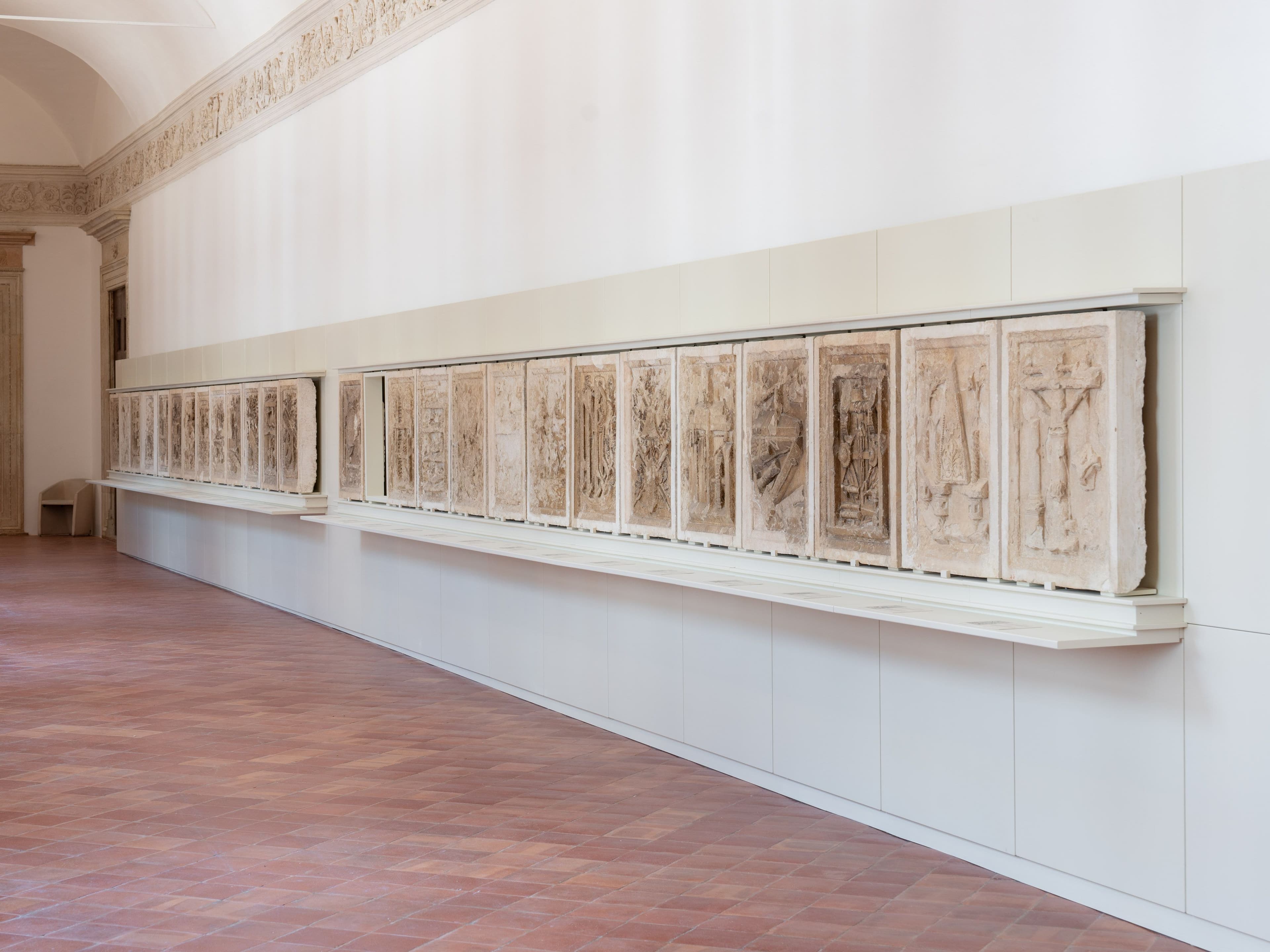
The ‘Art of War’ frieze of the Ducal Palace in Urbino
Discover more
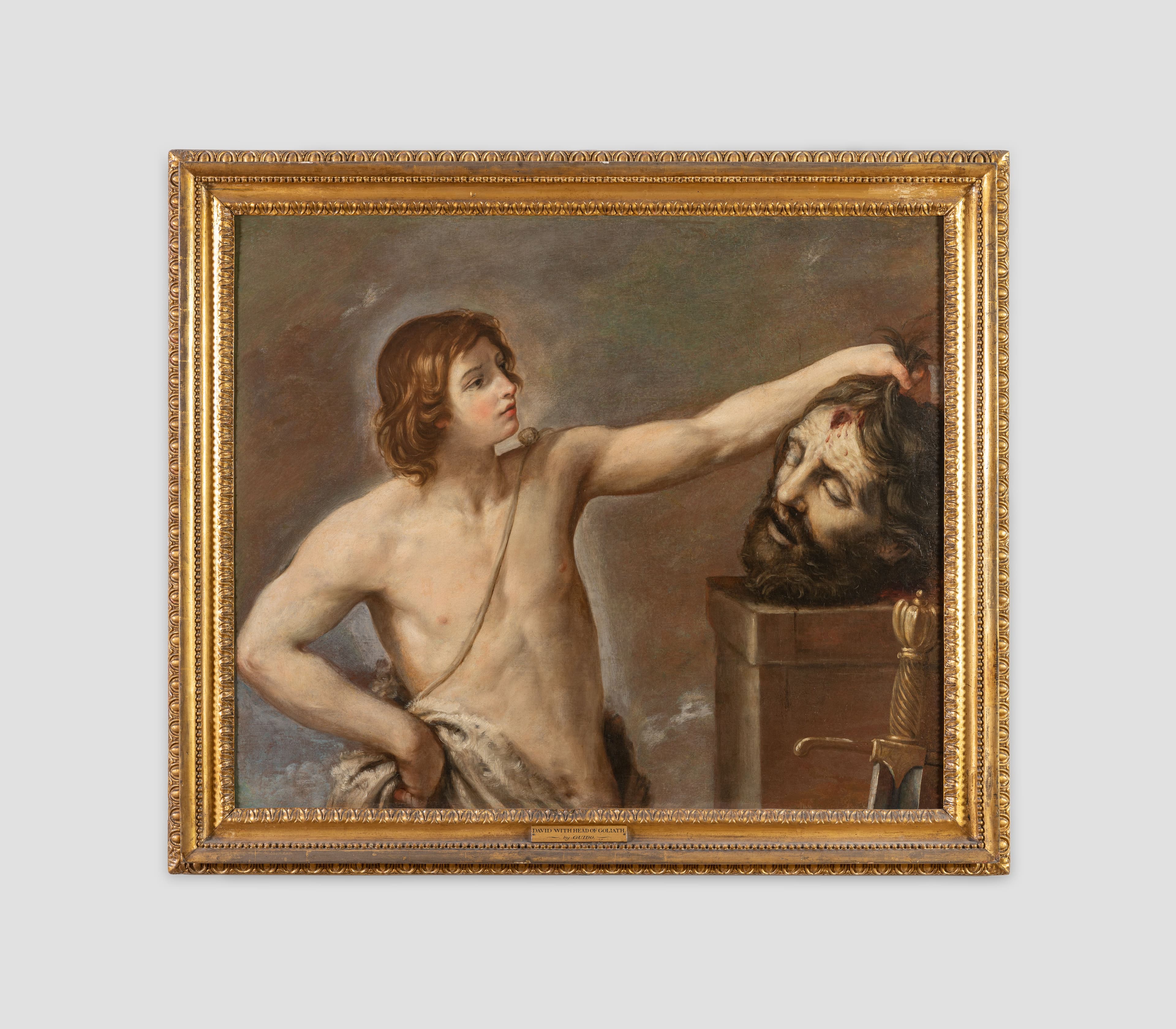
The Volponi Collection
Discover more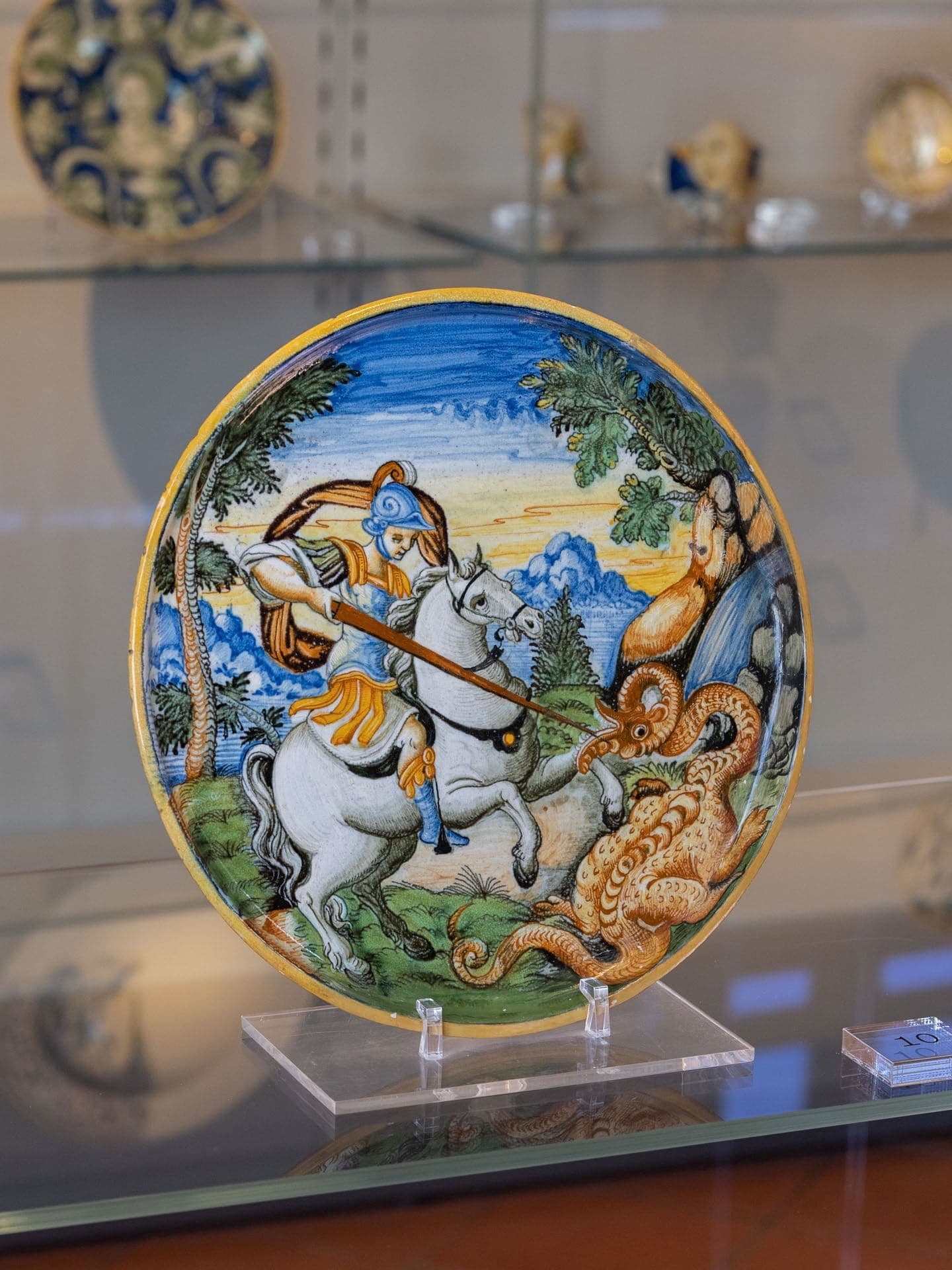
The majolica of the Galleria Nazionale delle Marche
Discover more
The Mauruzi Bequest
Discover more
The Prints and Drawings Collection of the Galleria Nazionale delle Marche
Discover more
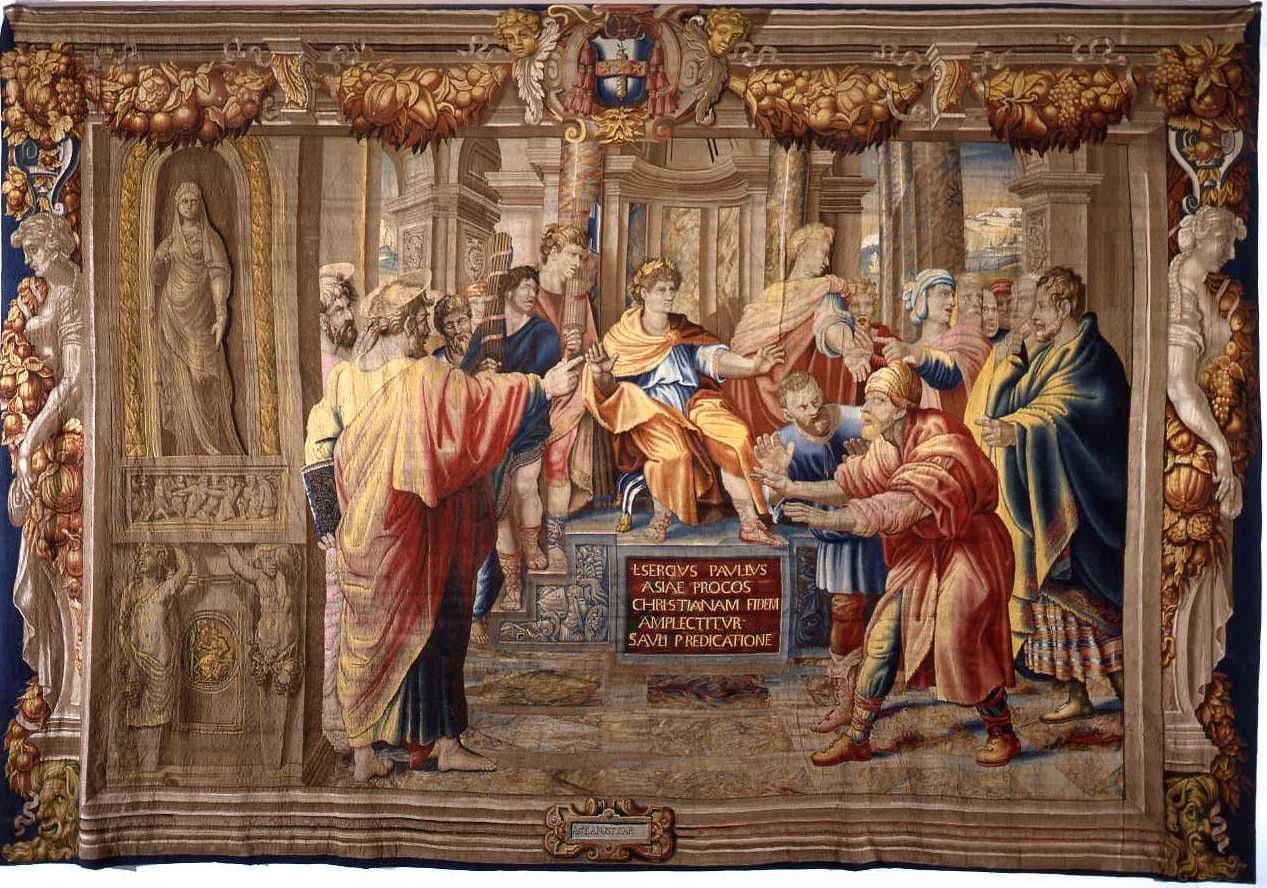
The tapestries depicting the Acts of the Apostles by Raphael, formerly owned by Cardinal Mazarin
Discover more