

The Mauruzi Bequest
The Mauruzi Bequest marks the first major donation to the Galleria Nazionale delle Marche, bringing together an exceptional collection of maiolica, bronzes and decorative arts that helped shape the museum's earliest holdings.
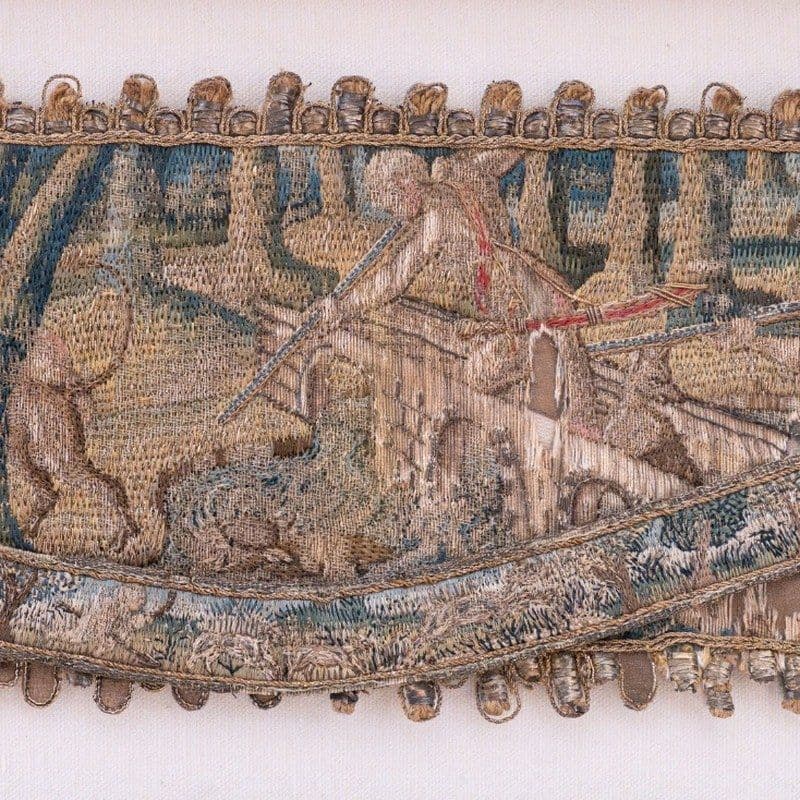
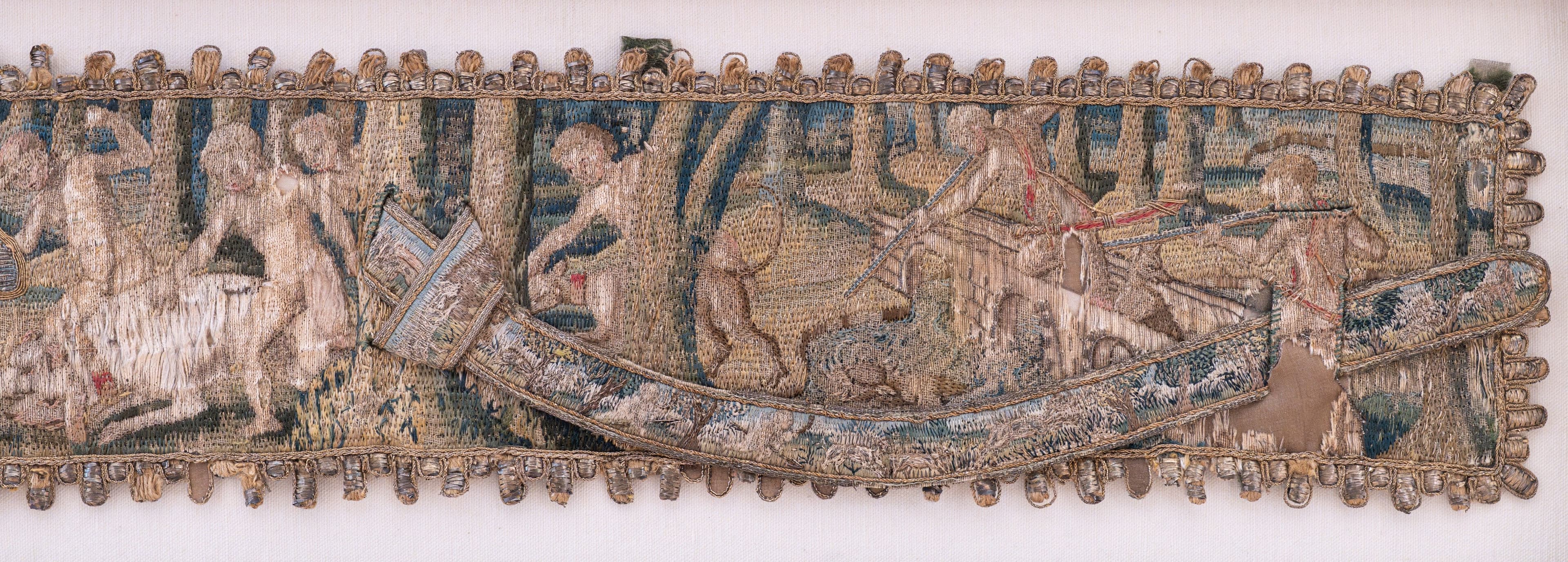
In his will dated 8 March 1865, Canon and Count Nicola Mauruzi della Stacciola of Urbino bequeathed to the Institute of Fine Arts of the Marche – whose museum forms the original core of the National Gallery of the Marche – “all the antique tableware and other works of fine art” in his possession. As Pompeo Gherardi wrote in his guides of 1867 and 1875, Mauruzi bequeathed to the new post-unification institution, founded in 1861, the collection of plates and “paintings on majolica from Urbino and Naples”, objects in bronze, ivory and terracotta, as well as “a superb sash embroidered in needlepoint, believed to have been used for hunting by the Duke of Urbino himself”, always on display to the public.
Mauruzi had decided that the objects were to be transported to the Institute’s first premises, the former convent of San Benedetto, only after a suitable room had been identified and prepared, which later took the name of the Mauruzi Cabinet, and he had commissioned Count Pompeo Gherardi himself—secretary and lecturer in art history at the Institute of Fine Arts and husband of his niece Agnese—to arrange the works appropriately.
The Urbino native’s testamentary wishes represent the first bequest of art objects to the museum institution that was emerging in Urbino, and his example was followed by other private citizens who would increasingly contribute to the growth of the art collections.
Among the many ceramics left by the clergyman, which are still on display today, the collection of 18th-century tiles from Castelli d’Abruzzo, produced by the Grue and Gentili families of majolica makers, is particularly noteworthy. These tiles depict a variety of themes, ranging from religious to secular, or more specifically mythological, as well as landscapes with or without figures.
You might also like
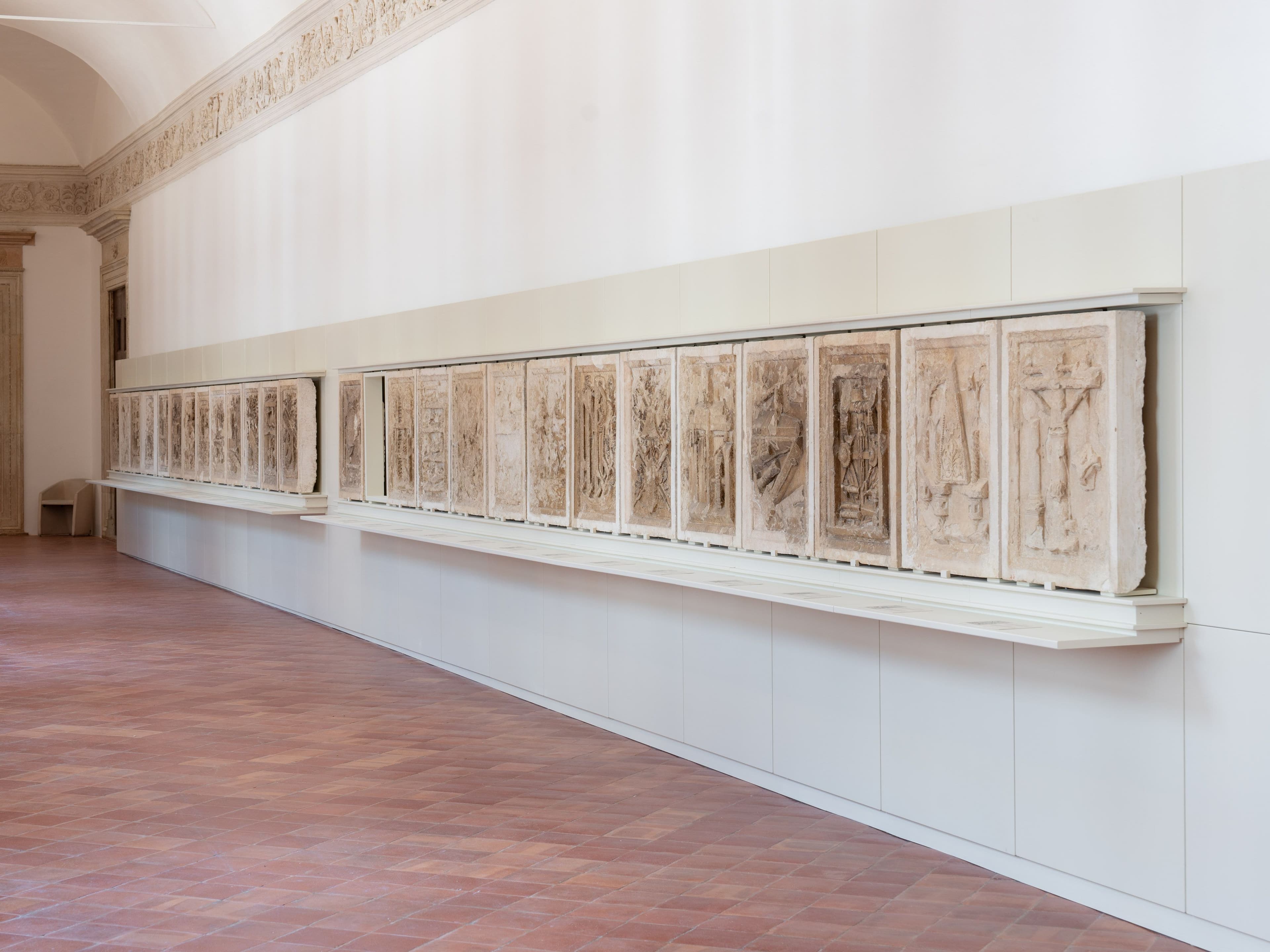
The ‘Art of War’ frieze of the Ducal Palace in Urbino
Discover more
The Volponi Collection
Discover more
The majolica of the Galleria Nazionale delle Marche
Discover more
The Prints and Drawings Collection of the Galleria Nazionale delle Marche
Discover more
The Viviani bequests
Discover more
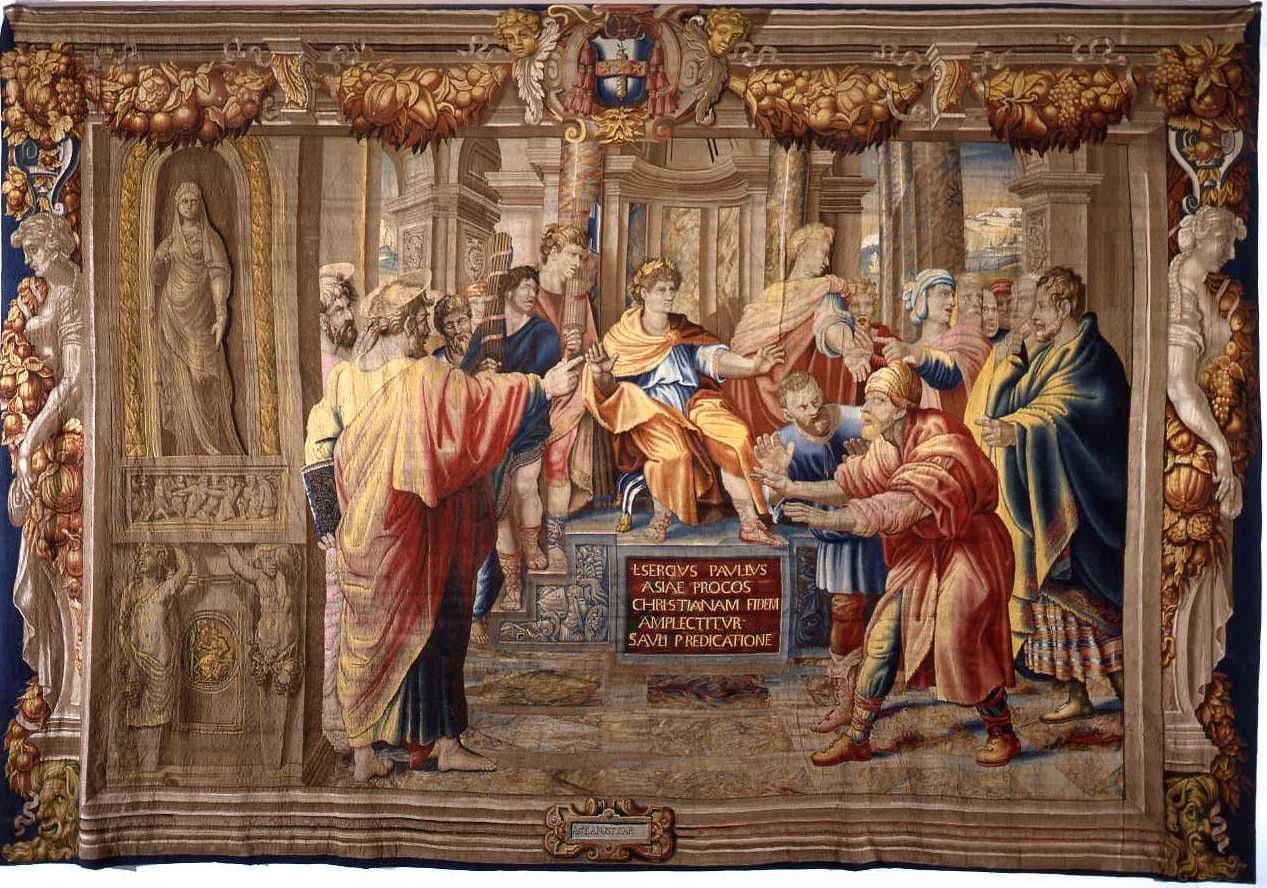
The tapestries depicting the Acts of the Apostles by Raphael, formerly owned by Cardinal Mazarin
Discover more