

The Volponi Collection
Born from the passion of writer and collector Paolo Volponi, the Volponi Collection brings together masterpieces from the fourteenth to the seventeenth century, donated to the Galleria Nazionale delle Marche as a lasting tribute to his deep bond with Urbino.
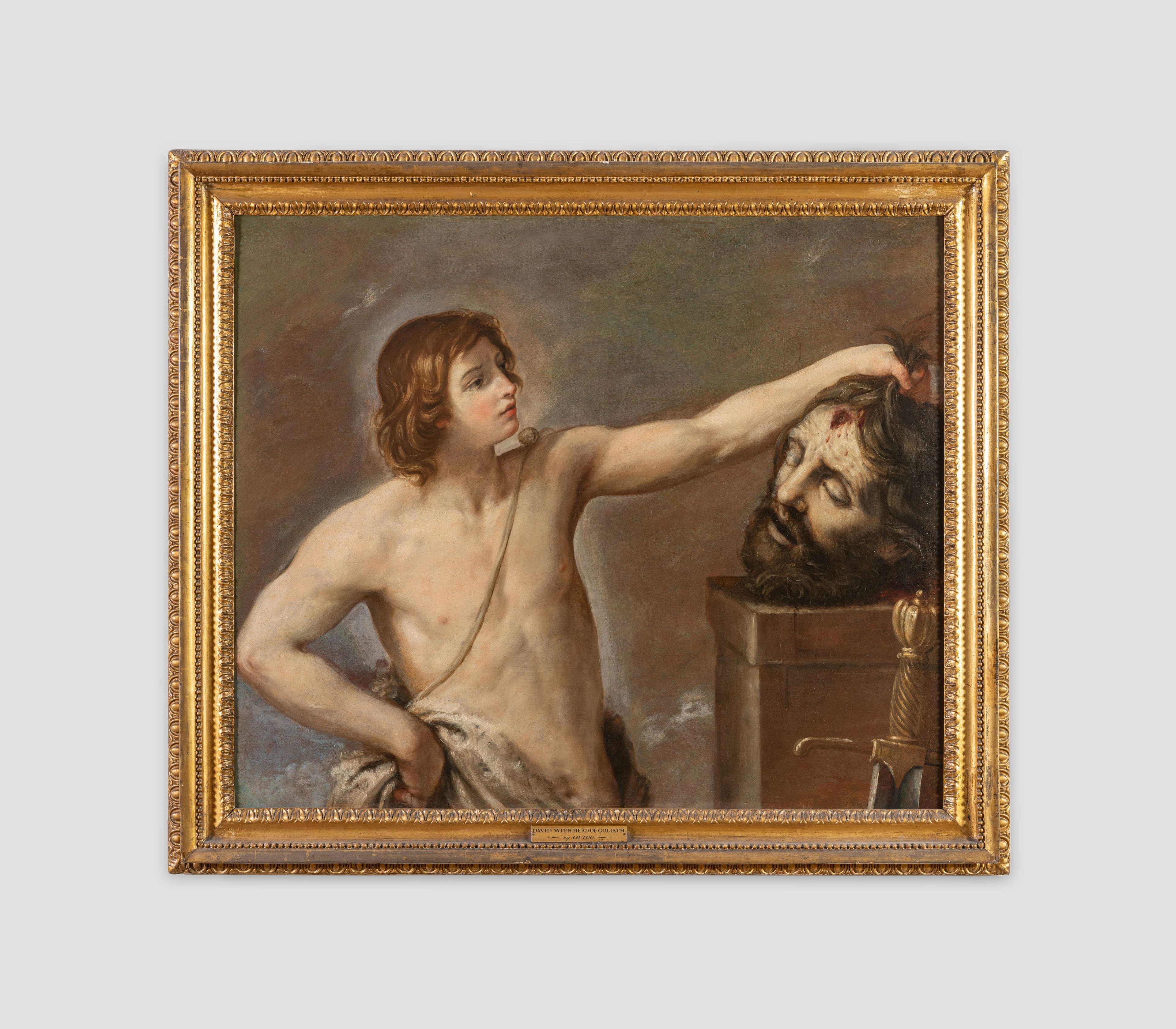
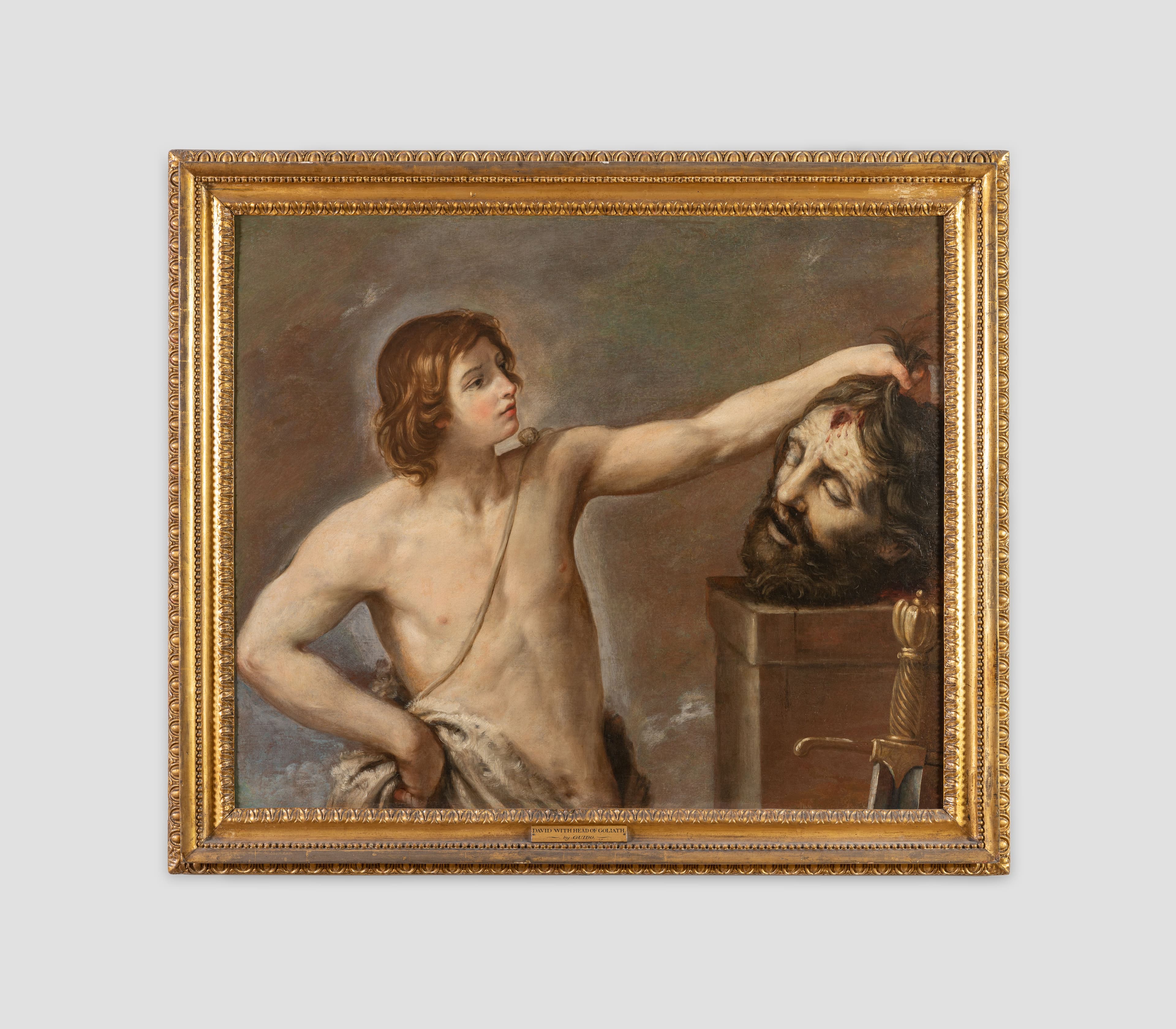
Paolo Volponi was born in Urbino on 6 February 1924 to Arturo and Teresa Filippini, and died in Ancona on 23 August 1994. The brickworks where his father, grandfather and other members of the family worked, described in the book ‘Il lanciatore di giavellotto’ (1981), can still be seen on the outskirts of the city today, with its tall chimney along the Bocca Trabaria main road. He was a writer and poet, a politician and business executive, and an art collector. He was a member of the Italian Communist Party and was elected senator for the Urbino constituency in 1983, serving in the following years until 1992 on the standing committees for Foreign Affairs, Industry and Trade, Public
Education, and Cultural Heritage. He had studied law in Urbino, where he graduated in 1948. During the Second World War, he refused to take up arms for the Italian Social Republic and joined the partisan brigades, first in Cantiano and then in Fabriano. He worked for Adriano Olivetti and his company from 1950 to 1971, first in Rome and then, from 1967, in Milan, dealing with personnel management and corporate relations. In 1975, he moved to FIAT and became secretary-general of the Agnelli Foundation, albeit for a short time. He subsequently collaborated with the Corriere della Sera and l’Unità and also served on the board of directors of RAI. In 1959, he married Giovina Jannello, with whom he had two children: Caterina and Roberto.
Volponi made his debut as a poet with the collection Il ramarro in 1948, published by the Scuola del Libro in Urbino, and continued to write poetry throughout his life. Having moved to Rome for work, he met Pier Paolo Pasolini in the spring of 1954. He formed a deep friendship with him that lasted until Pasolini’s death in 1975 and which was a great stimulus for him to find his own path in prose. With La macchina mondiale (1965) and La strada per Roma (1991, though conceived in 1962 and then interrupted), he won two Strega Prizes. The reality of the industrial world and the social changes in post-war Italy were at the heart of Volponi’s intellectual engagement, as he sought to portray the contradictions and alienation of individuals in a society that was rapidly transforming its cultural models.
His passion for art (he was a consultant for Finarte from the late 1970s) and for collecting, in the spirit of Roberto Longhi’s teachings (he wrote on several occasions for Paragone. Letteratura), are evident in the masterpieces that now form part of the collection of the Galleria Nazionale delle Marche. These range from 14th-century Bolognese painting to the great Caravaggio and Emilian periods of some of the most celebrated artists of the 17th century. A first group of works was donated in 1991 following the tragic death of his son Roberto (1962–1989), and a second in 2003 by his wife Giovina and daughter Caterina, as a civic gesture of publicly sharing an artistic heritage and in homage to Volponi’s love for Urbino.
Discover the works
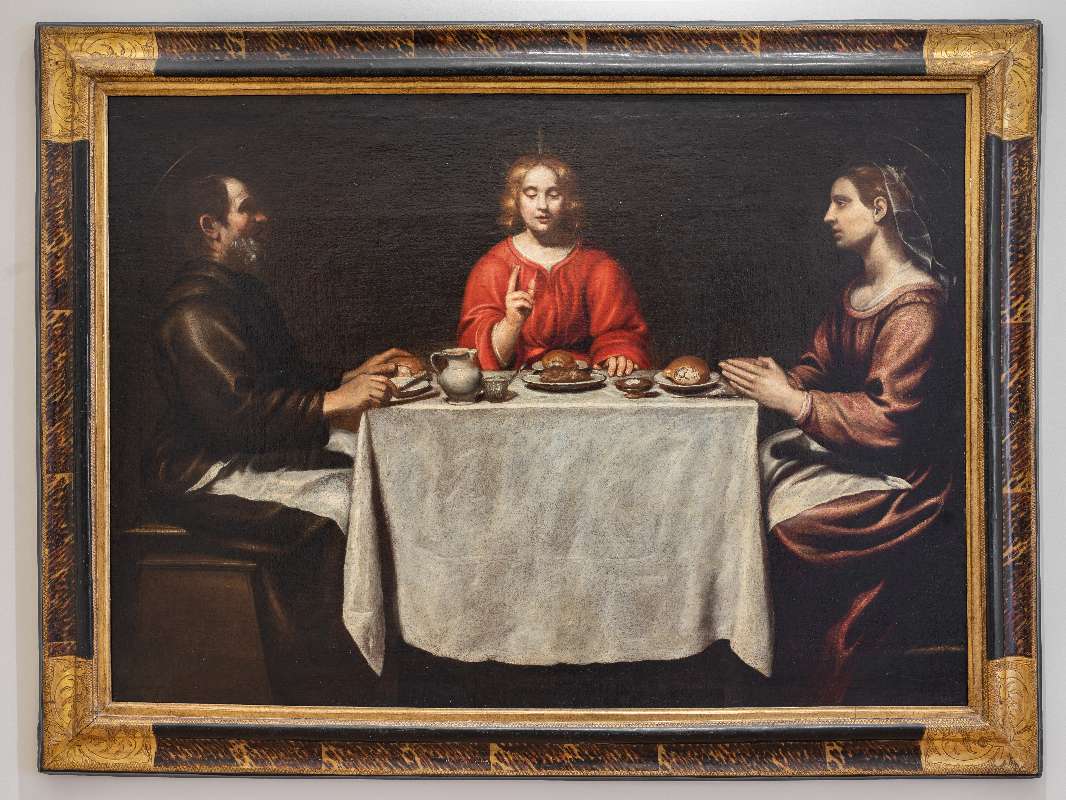
cena della Sacra Famiglia
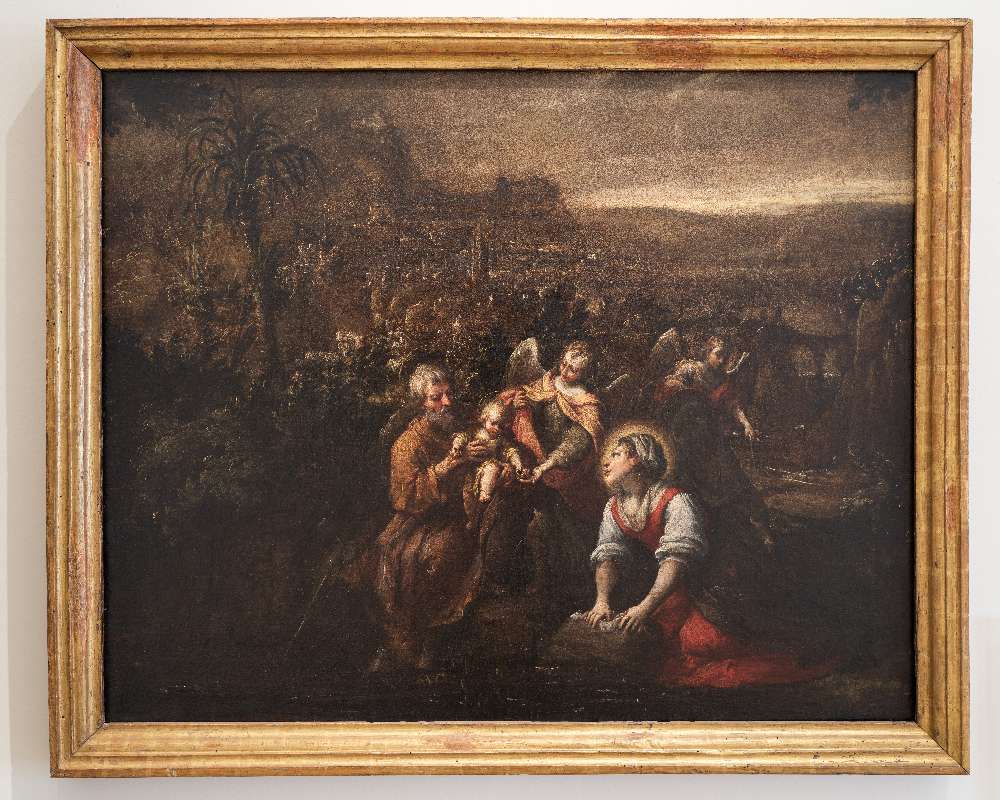
Riposo durante la fuga in Egitto
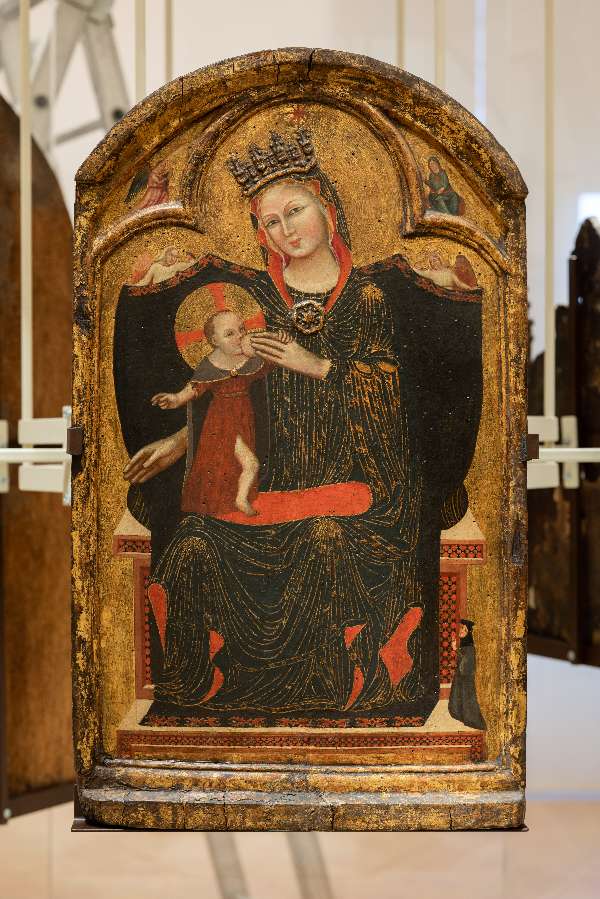
Madonna del Latte e donatore
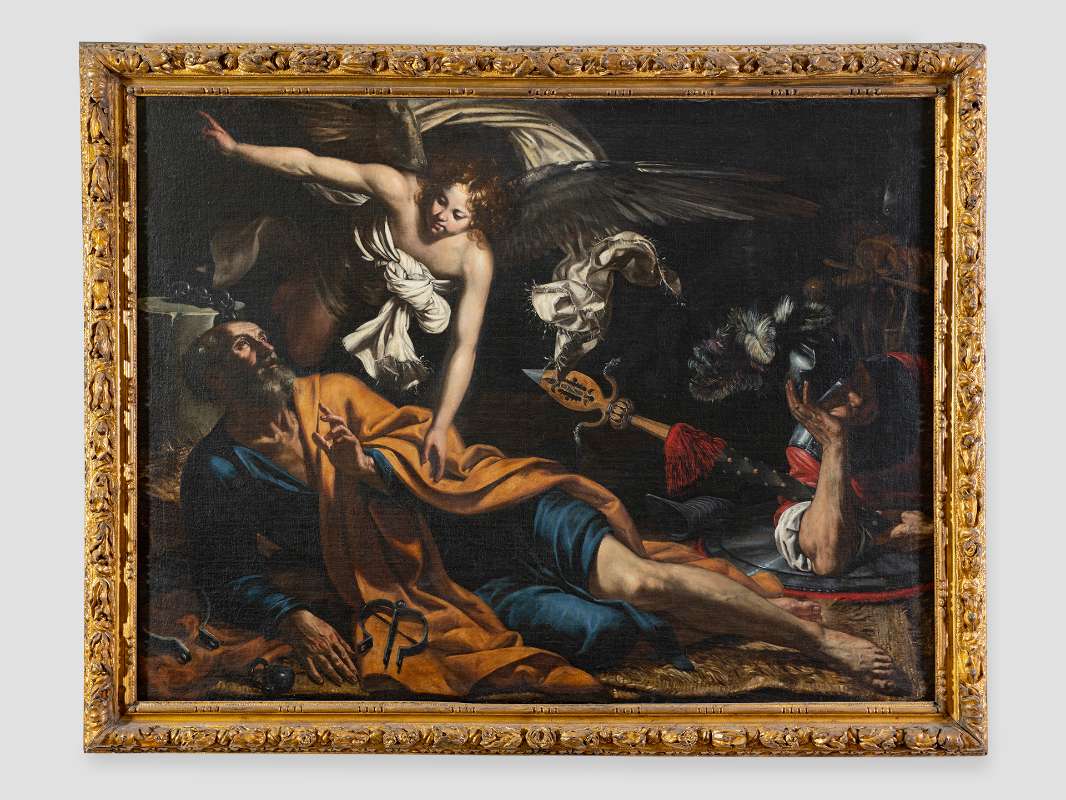
San Pietro in carcere
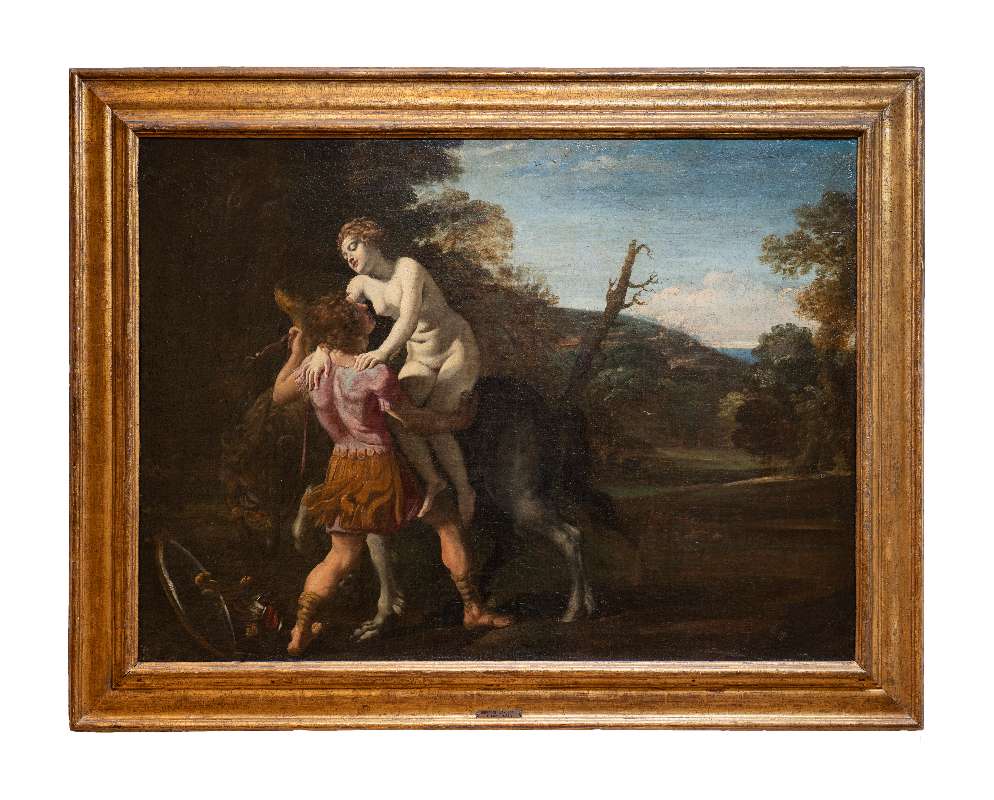
Ruggero e Angelica
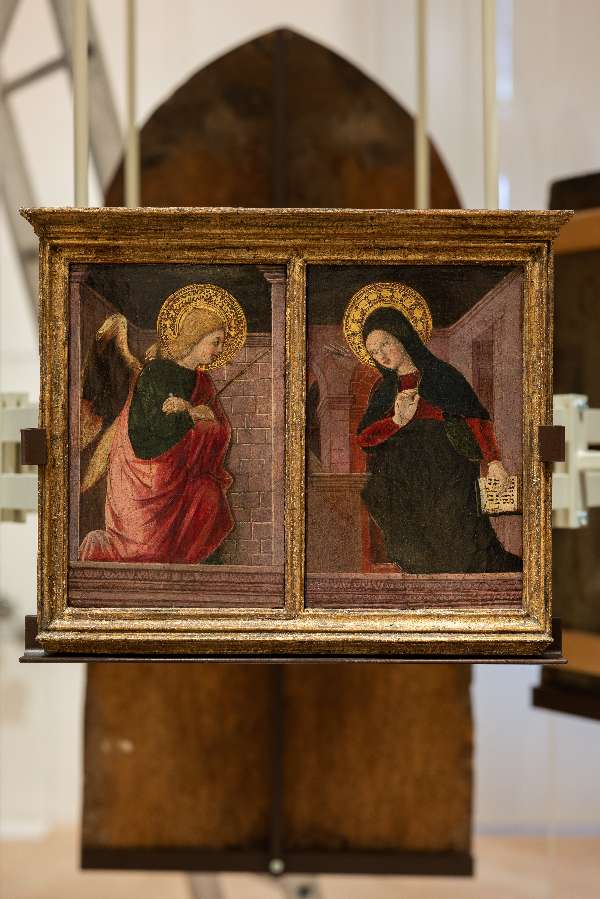
angelo annunciante
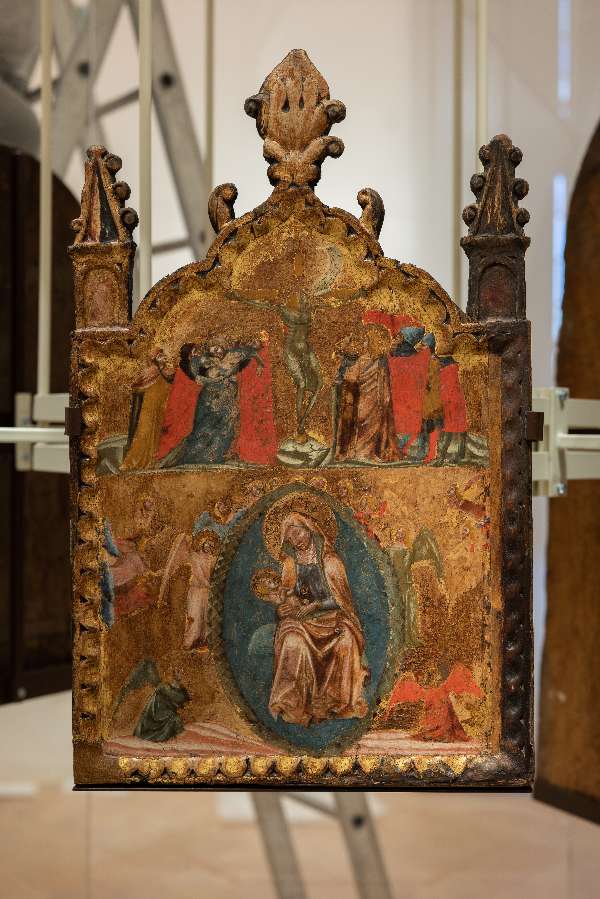
Crocifissione
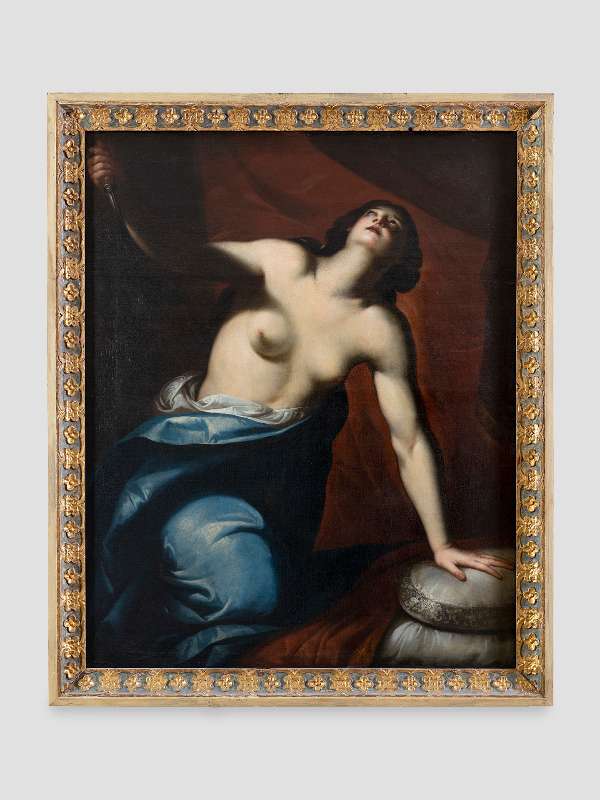
Lucrezia
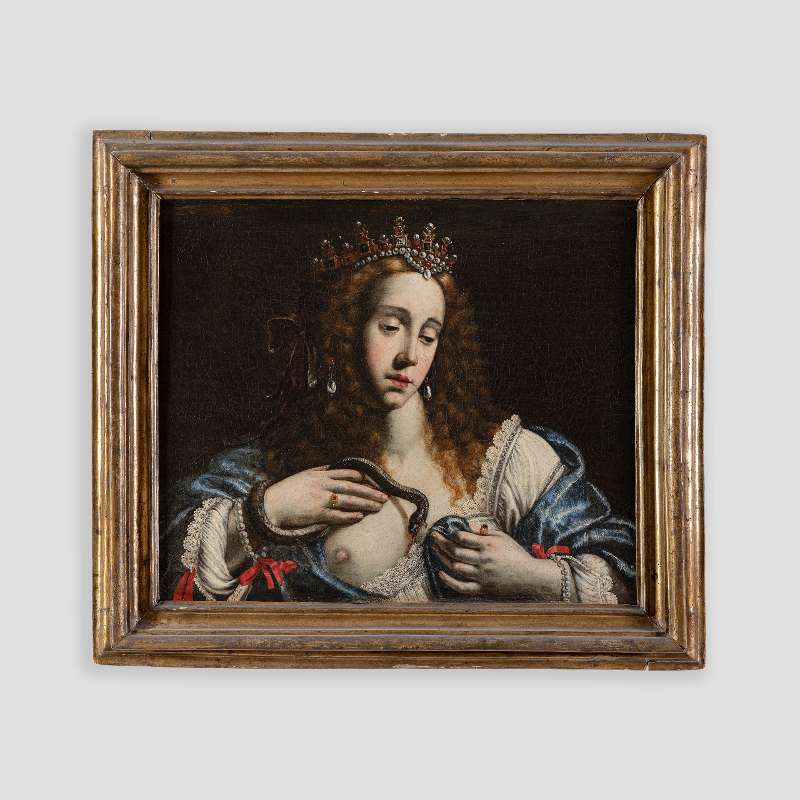
Cleopatra
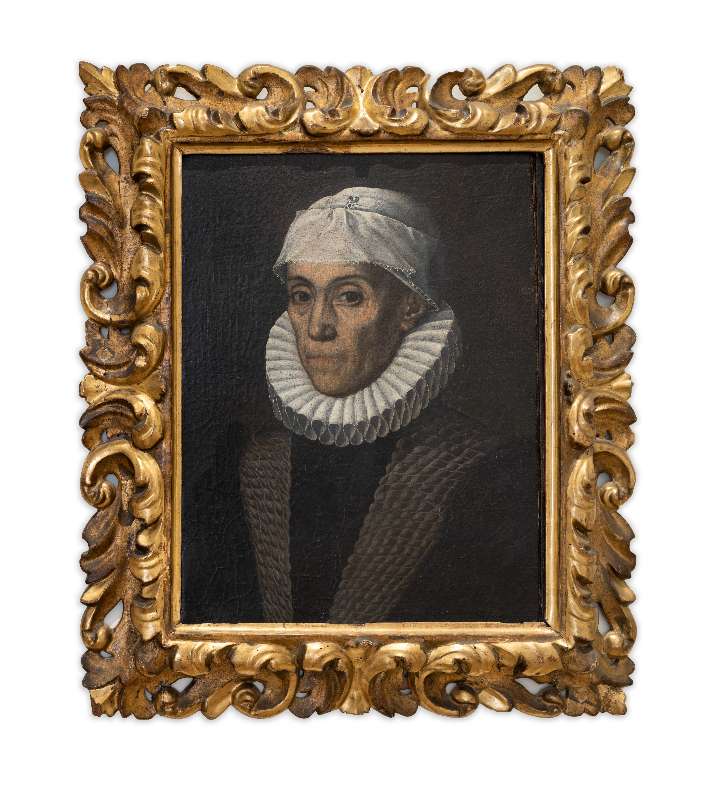
Ritratto di dama anziana
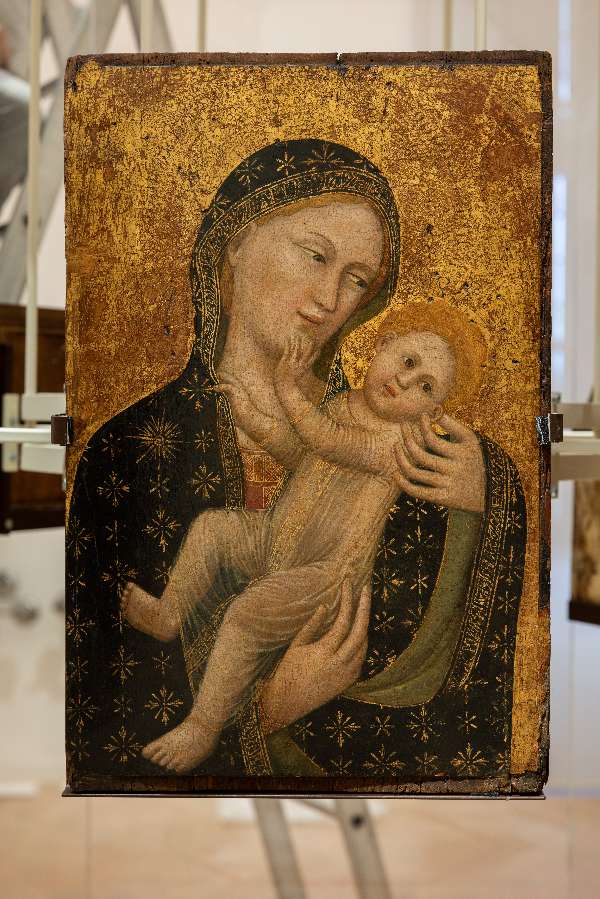
Madonna col Bambino
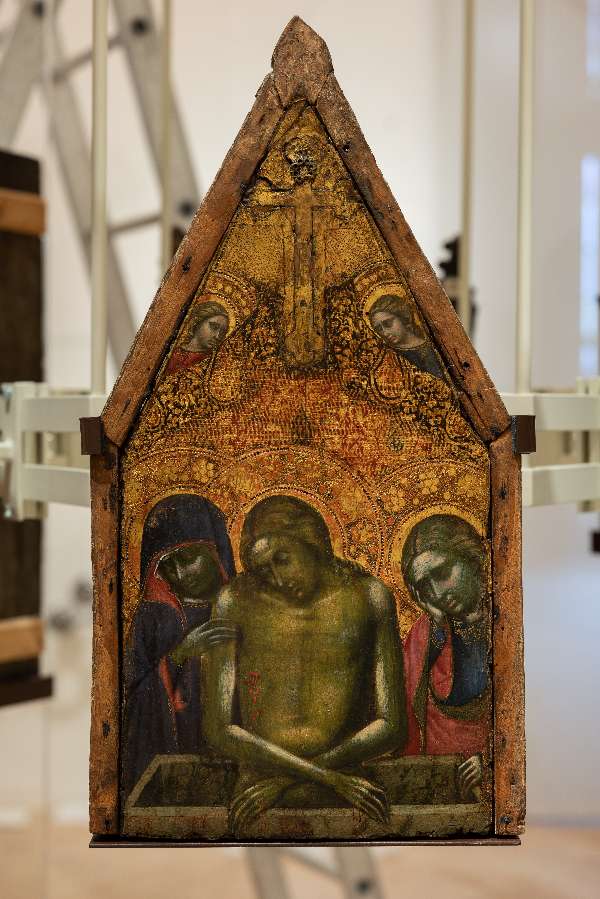
Cristo in pietà con i dolenti
You might also like
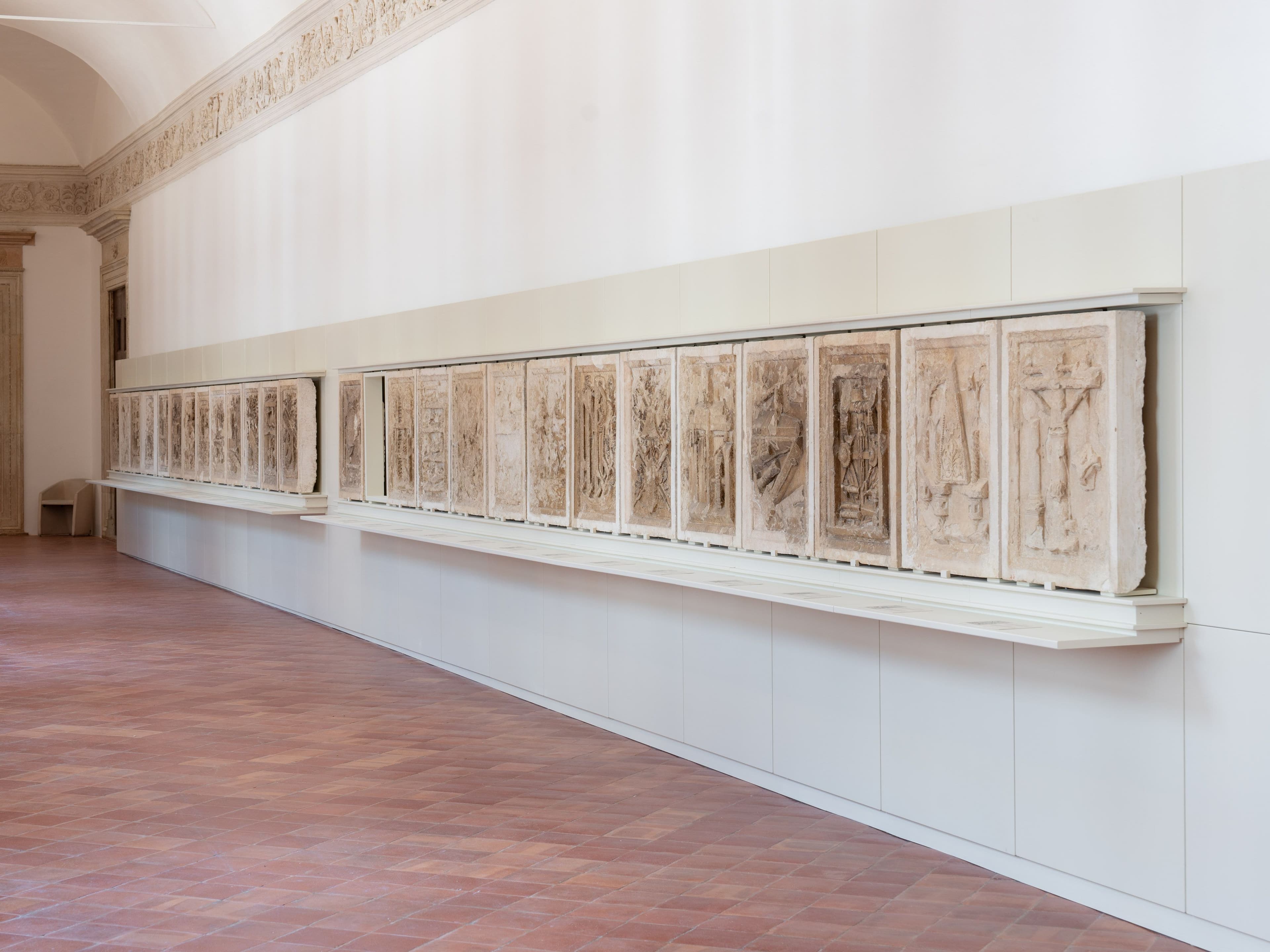
The ‘Art of War’ frieze of the Ducal Palace in Urbino
Discover more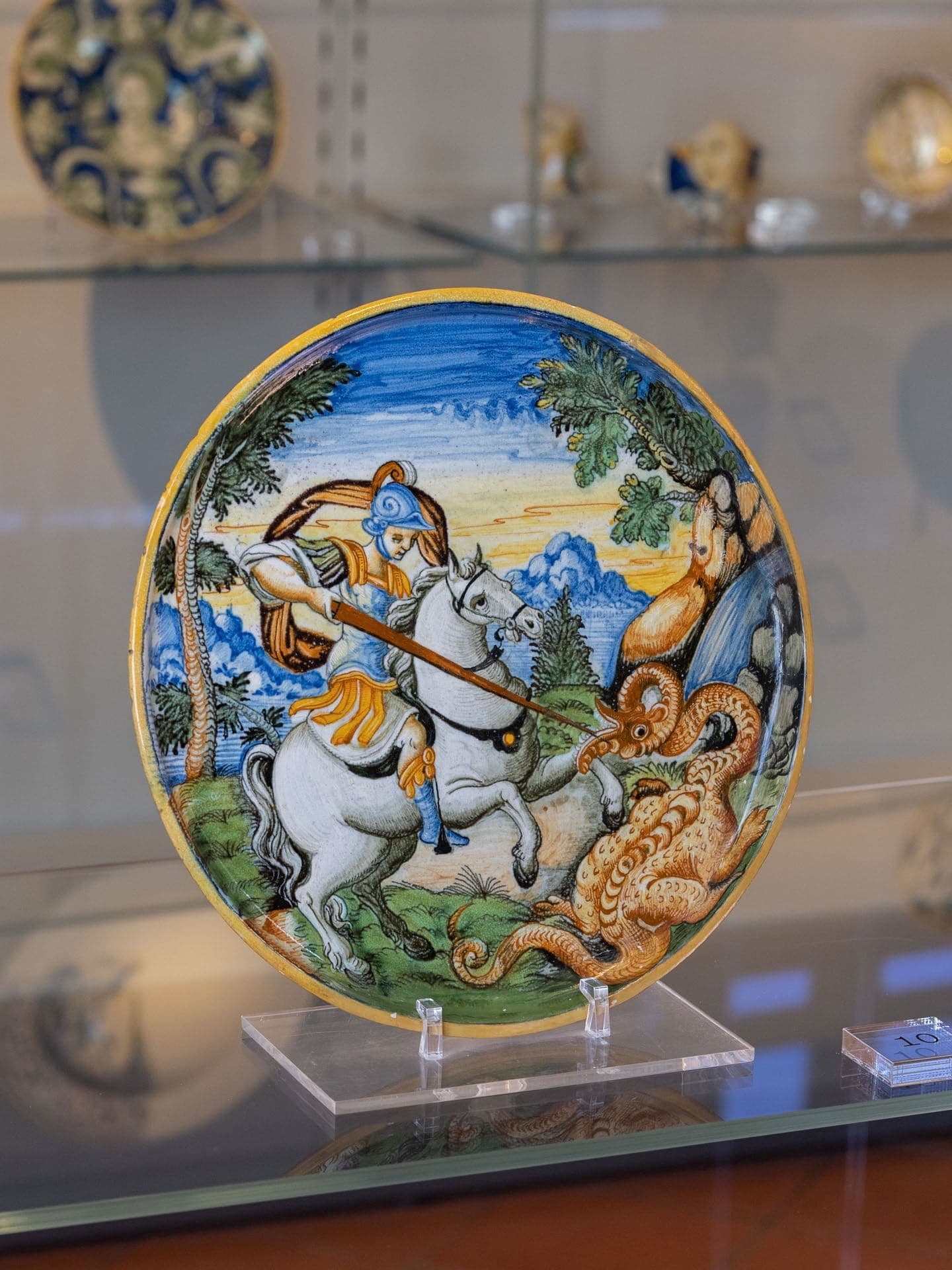
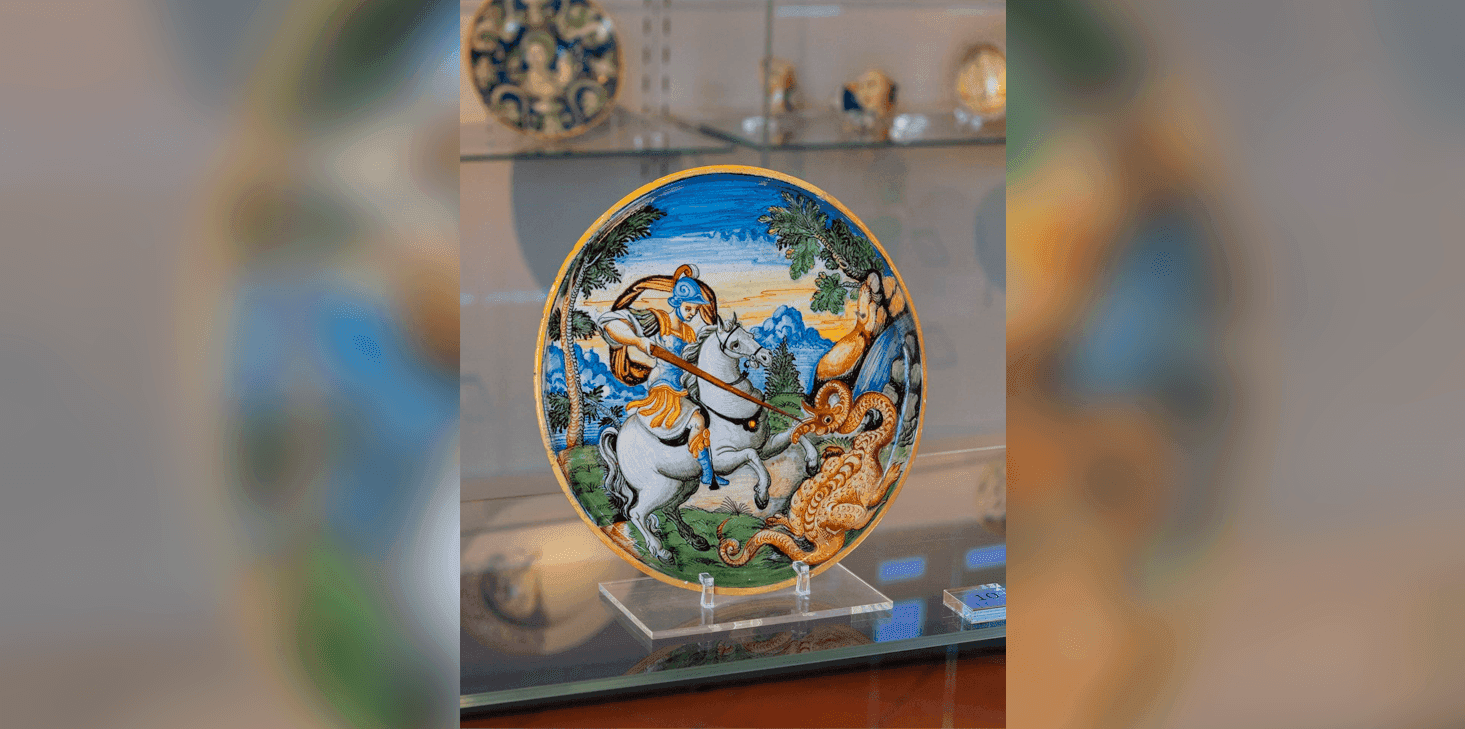
The majolica of the Galleria Nazionale delle Marche
Discover more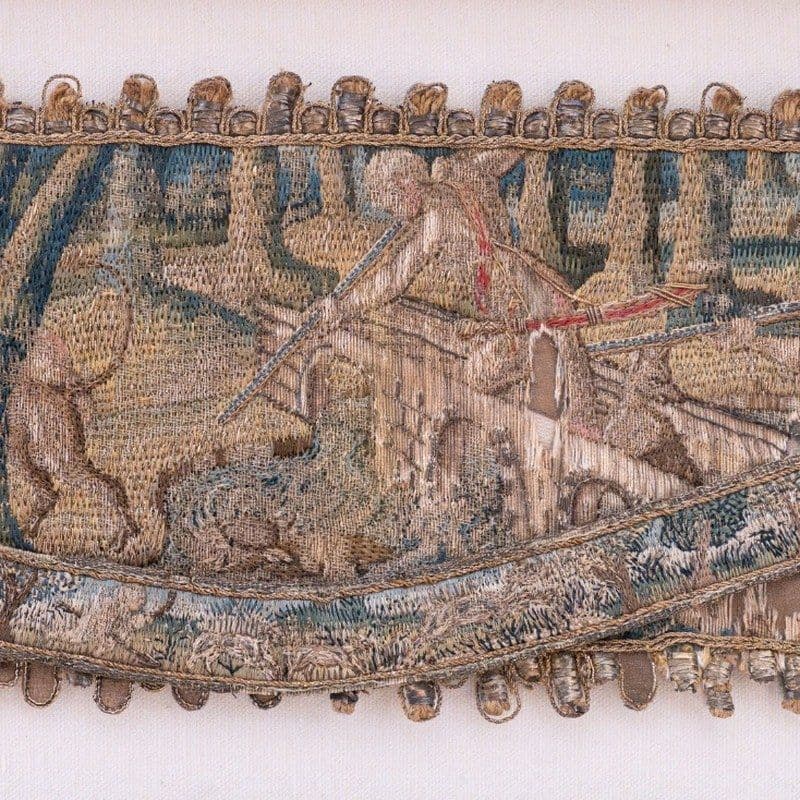
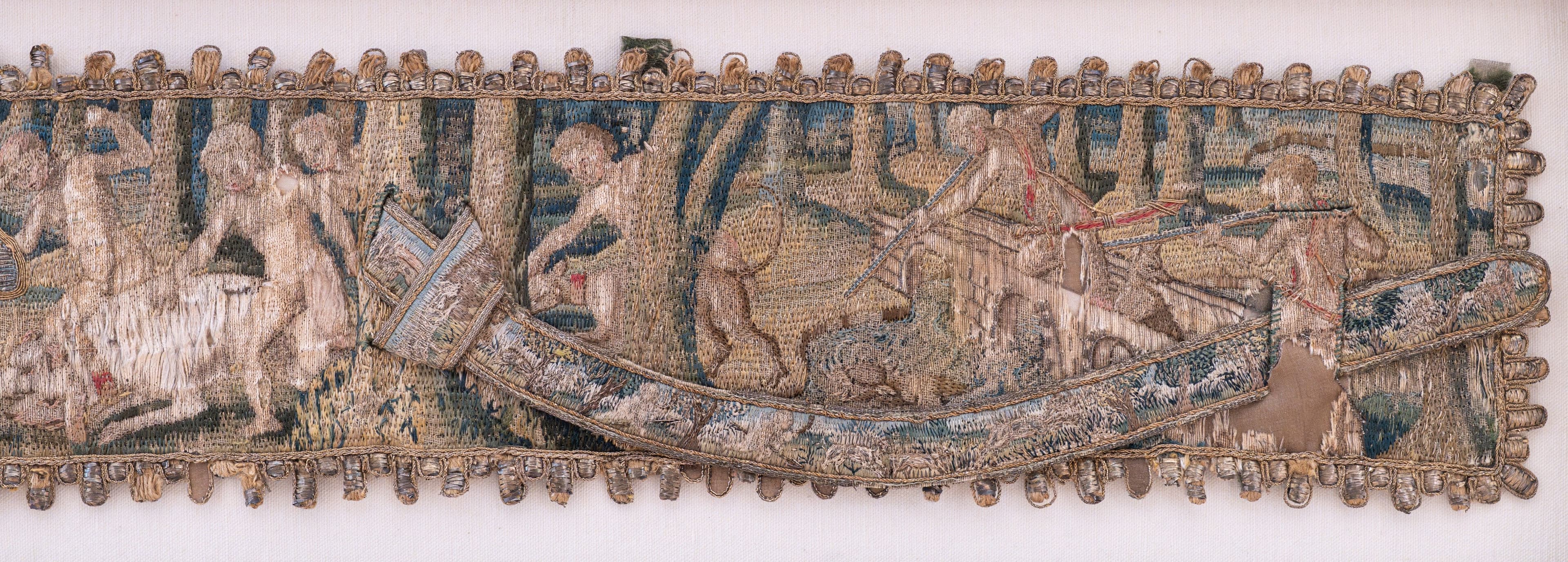
The Mauruzi Bequest
Discover more
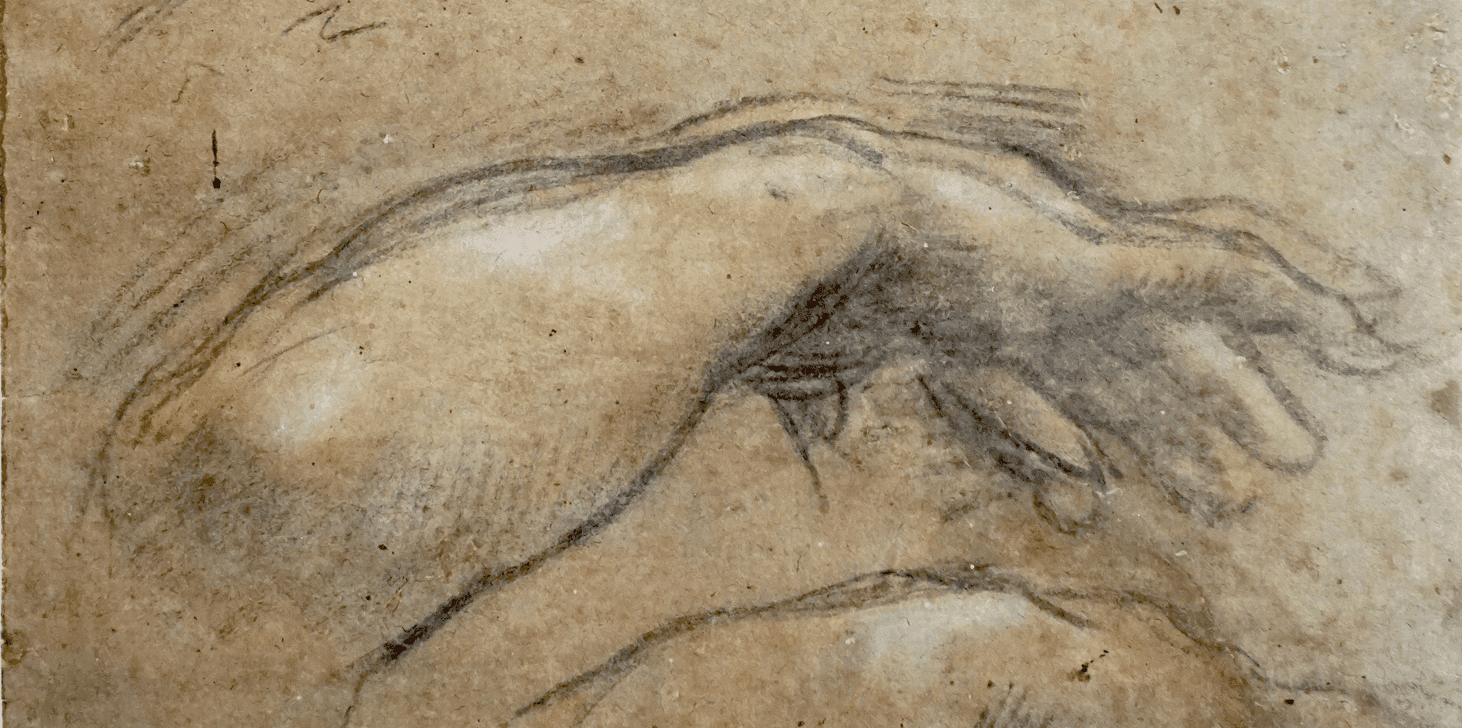
The Prints and Drawings Collection of the Galleria Nazionale delle Marche
Discover more
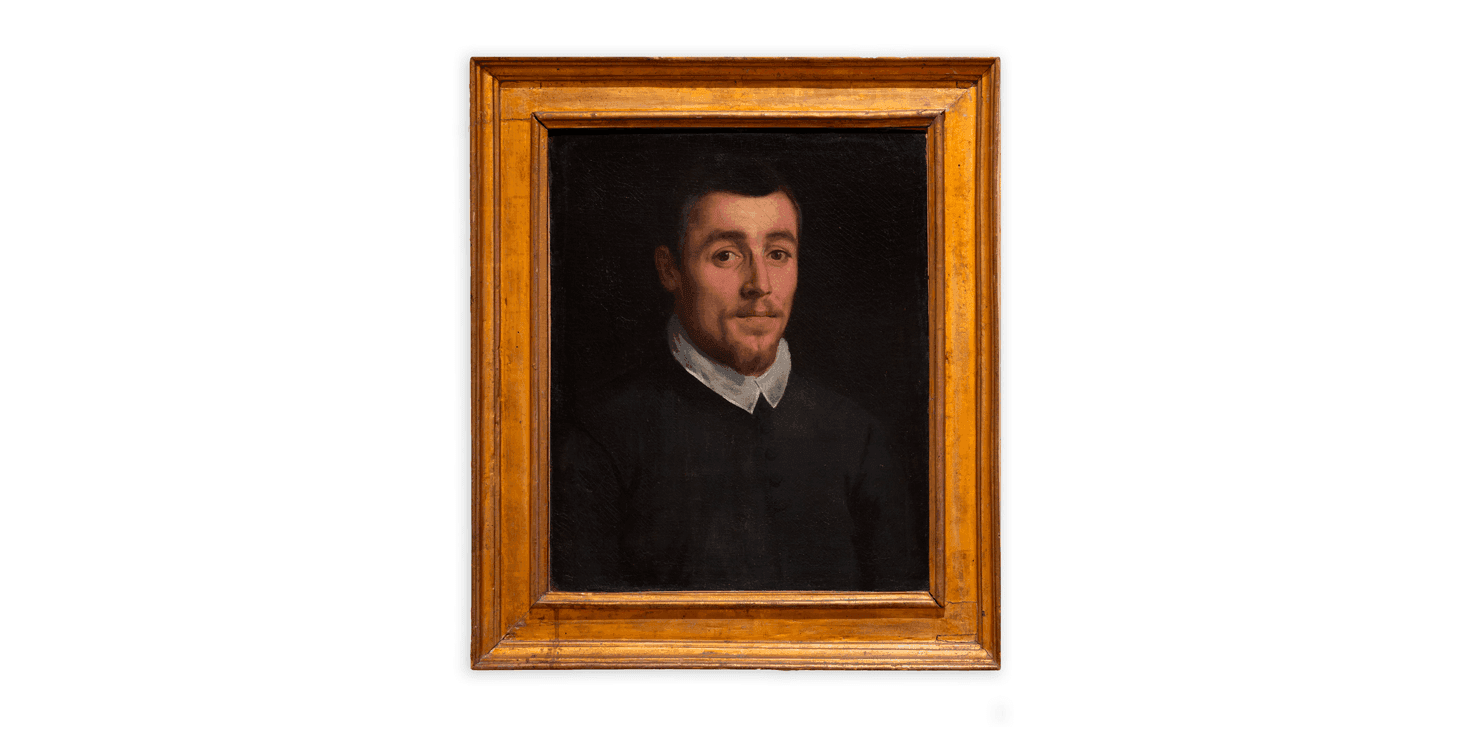
The Viviani bequests
Discover more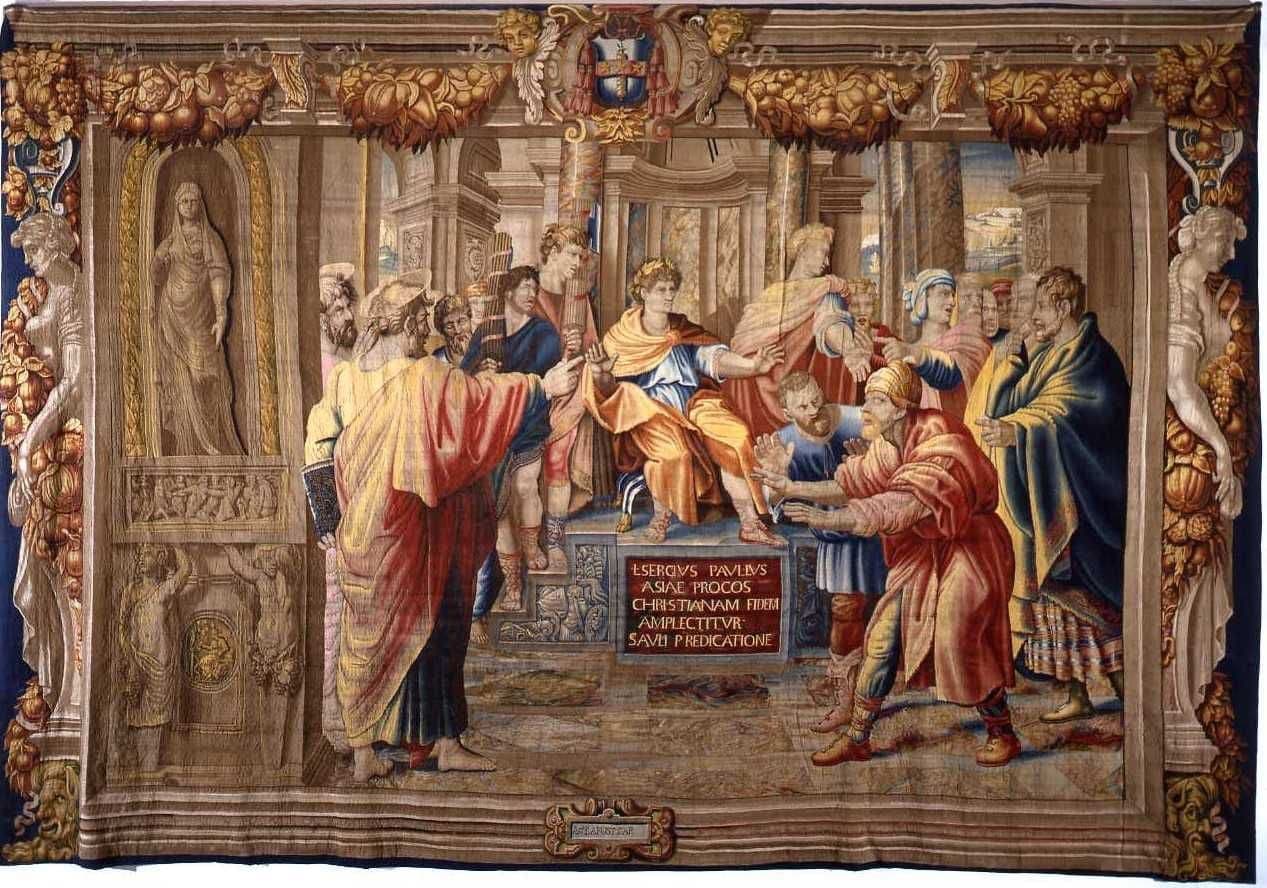
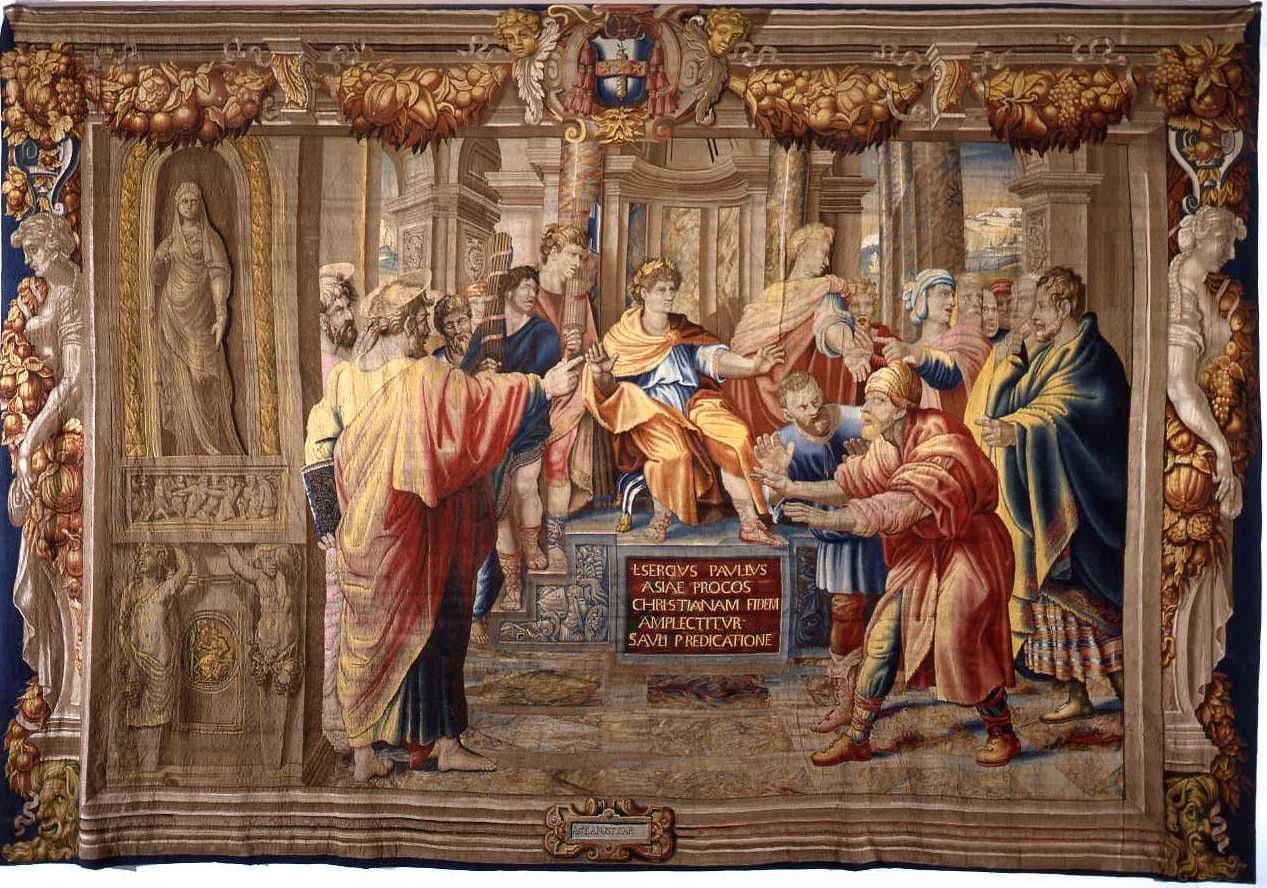
The tapestries depicting the Acts of the Apostles by Raphael, formerly owned by Cardinal Mazarin
Discover more