

The majolica of the Galleria Nazionale delle Marche
During the Della Rovere era, the Duchy of Urbino was famous throughout Italy and abroad for the excellence of its artistic majolica, and majolica can be considered the art form par excellence of Renaissance Urbino.
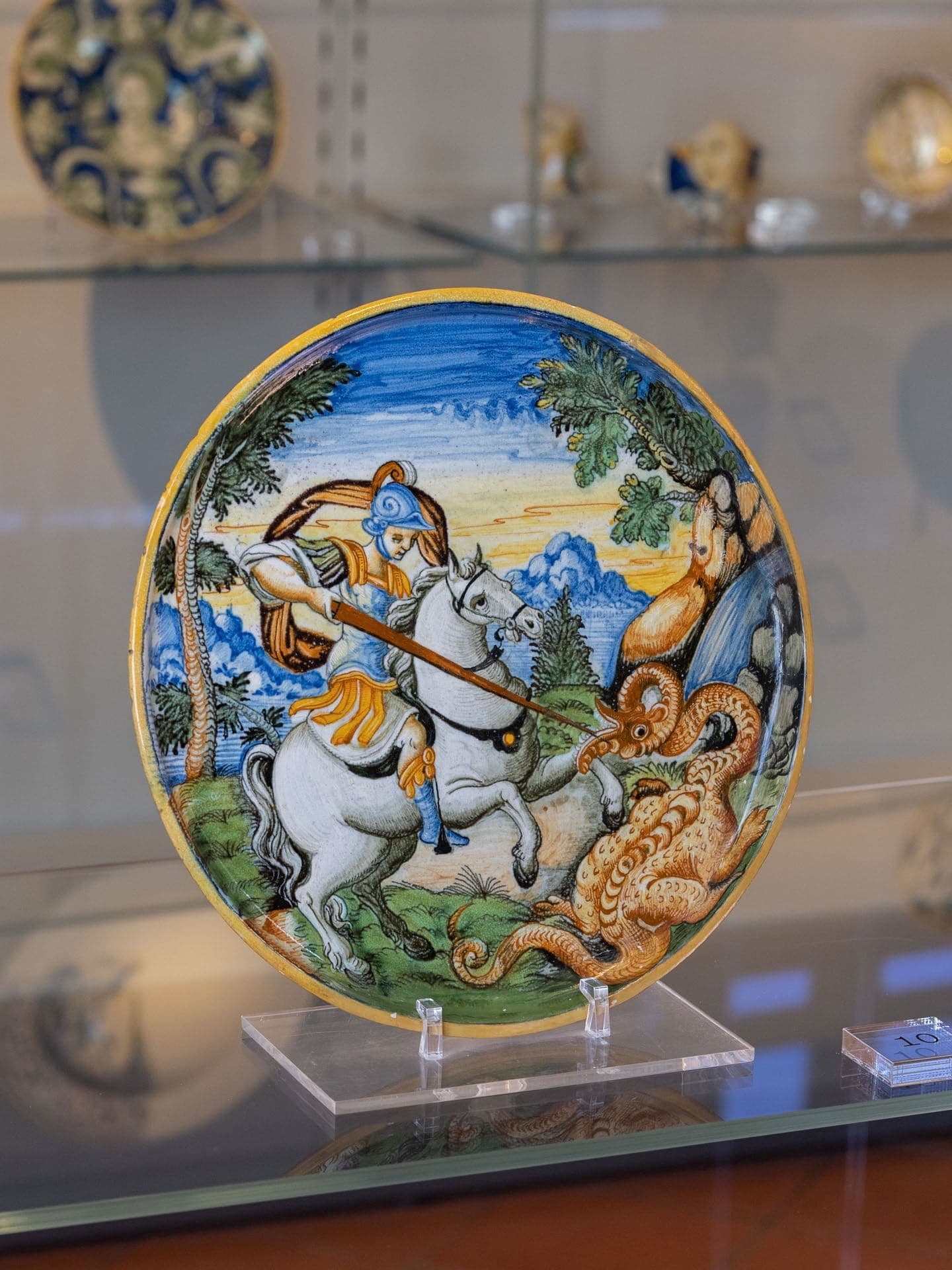
A speciality of the workshops in Urbino, Pesaro and Casteldurante was the ‘istoriato’ style, whilst in Gubbio, the workshop of Master Giorgio excelled in producing a brilliant, iridescent lustre. The themes depicted in istoriato majolica were varied, but myths drawn from Ovid and episodes from ancient history were common. Much of our knowledge of majolica in the Duchy of Urbino derives from the Tre libri dell'arte del vasaio, a treatise written around 1557 by Cipriano Piccolpasso da Casteldurante and illustrated with detailed drawings, now held at the Victoria & Albert Museum in London (inv. MSL/1861/7446).
A significant number of the majolica pieces in the museum’s collections come from the Mauruzi Bequest. Of particular note are the artefacts from the Patanazzi workshop in Urbino, dating from the late 16th to the early 17th century (including, amongst others, a writing desk, inkwells and a holy water font), and from the Fontana workshop. Another significant group consists of majolica from Castelli, notably 36 plaques depicting both sacred and secular subjects, dating from the late 17th to the early 19th century and representing the finest works of the Gentili and Grue families.
The museum’s collection of ceramics, comprising more than eight hundred pieces, enables us to trace the circulation of these artefacts through a number of examples from the Valenza workshop and even a Chinese cutlery holder from the Kangxi period.
During the consolidation work on the Ducal Palace in 1992, the masonry soffit of the vault in the Throne Room was partially cleared. Among the filling materials found in the roof’s side walls, numerous fragments of 15th- and 16th-century majolica pottery came to light. Thanks to skilful restoration work, some of these majolica pieces have been fully reconstructed and are now on display in the showcases of the gallery overlooking the Pasquino Garden. Some of these, with their refined decorations, demonstrate the artistic level achieved by local potters as early as the late 15th and early 16th centuries, during the reign of Duke Guidobaldo I da Montefeltro (1482–1508), well before the great era of Renaissance istoriato ceramics.
You might also like
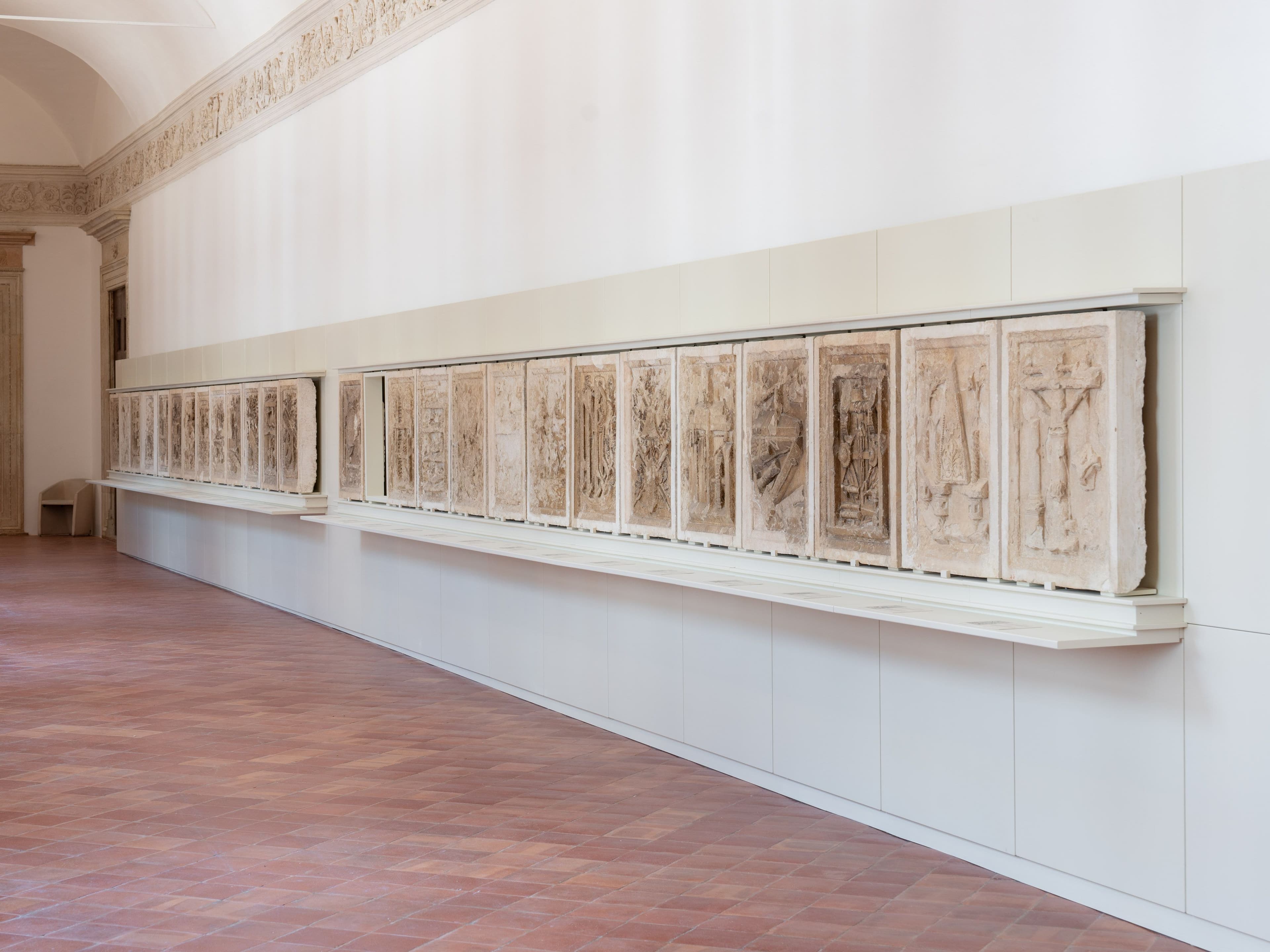
The ‘Art of War’ frieze of the Ducal Palace in Urbino
Discover more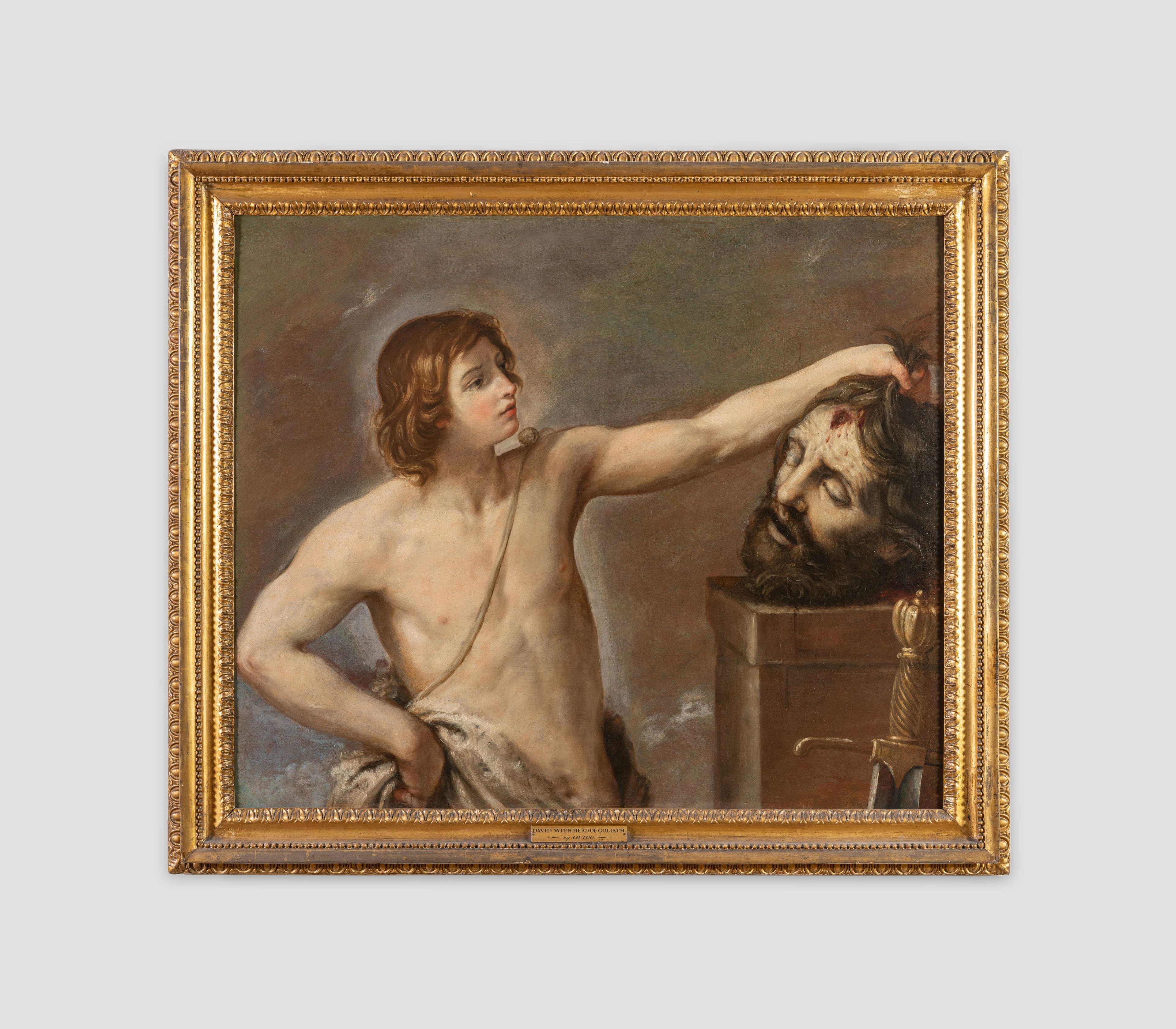
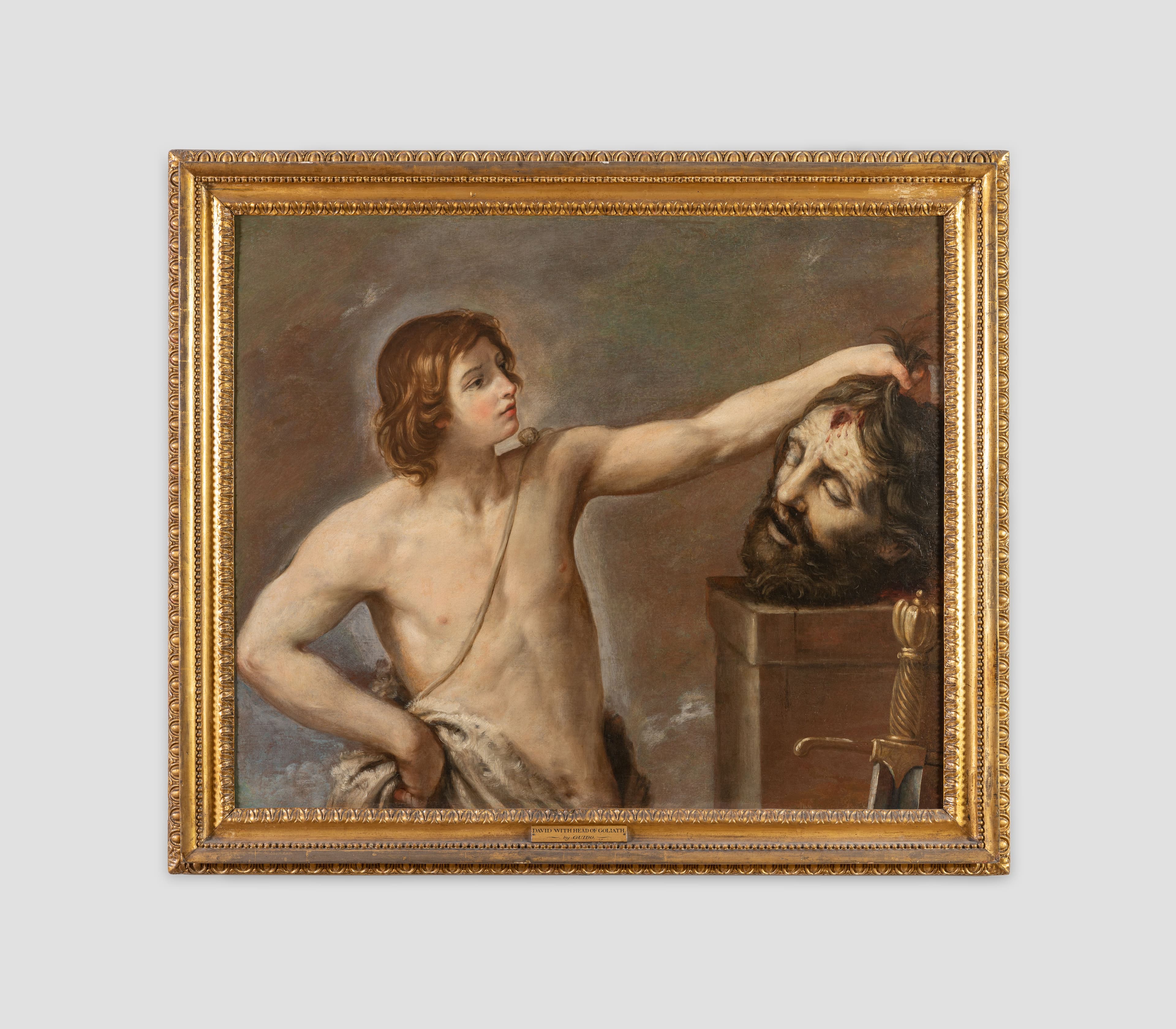
The Volponi Collection
Discover more
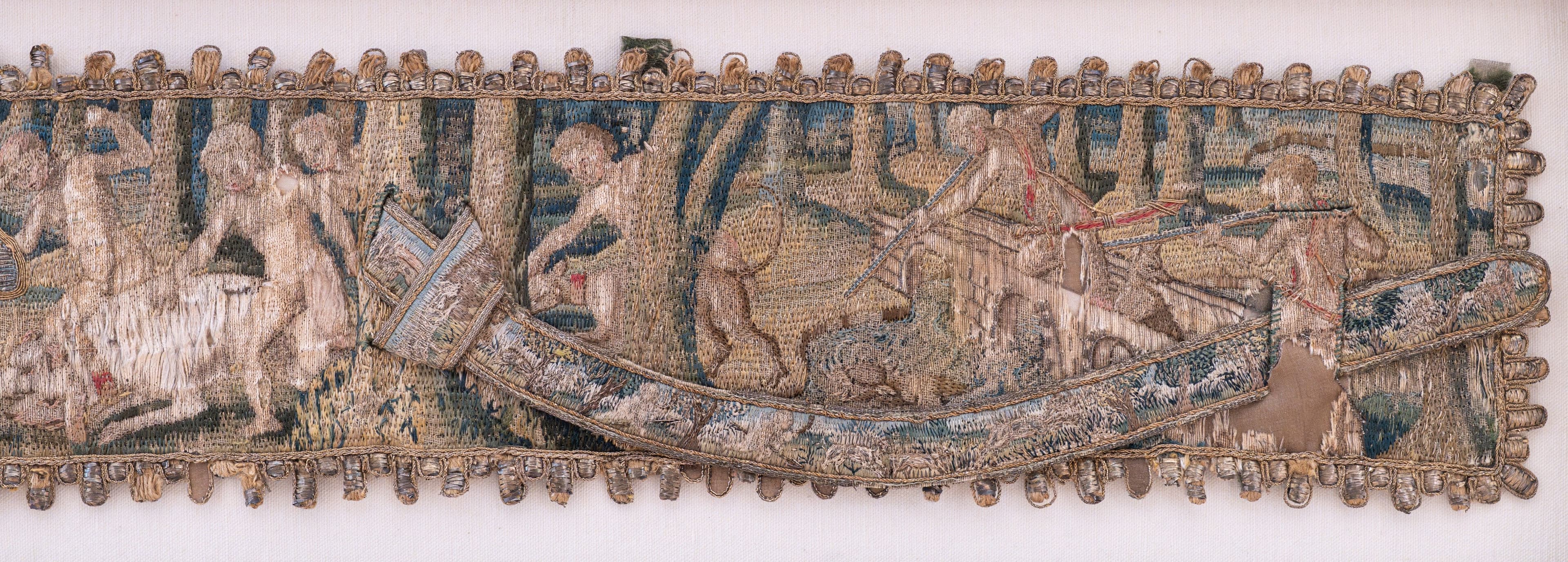
The Mauruzi Bequest
Discover more
The Prints and Drawings Collection of the Galleria Nazionale delle Marche
Discover more
The Viviani bequests
Discover more
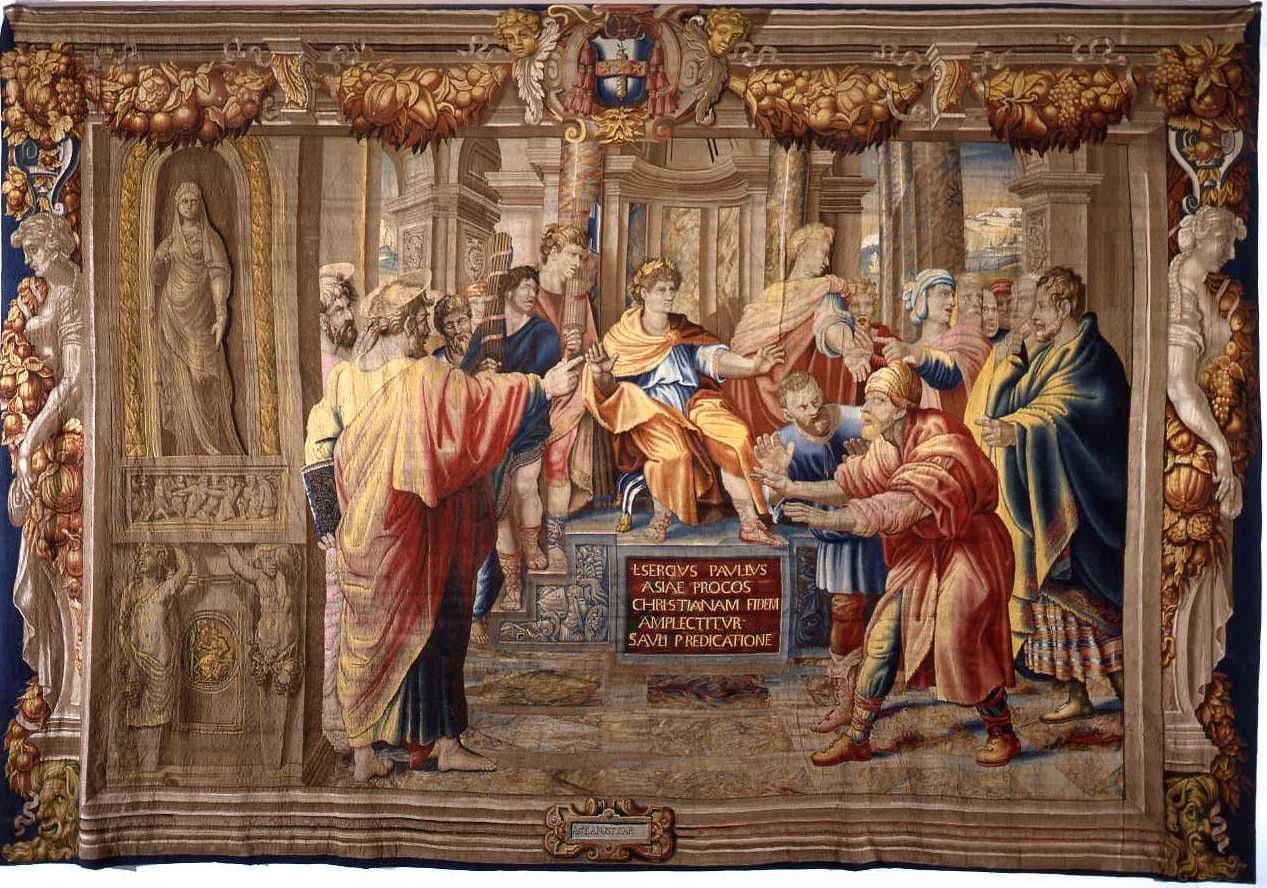
The tapestries depicting the Acts of the Apostles by Raphael, formerly owned by Cardinal Mazarin
Discover more