

The collections of the Galleria Nazionale delle Marche
The Galleria Nazionale delle Marche in the Ducal Palace of Urbino was established by Regio Decreto on 7 March 1912. Over the course of its history, now spanning more than a century, eminent figures such as Lionello Venturi, Luigi Serra, Pasquale Rotondi and Paolo dal Poggetto, amongst others, have served as directors, leaving their mark on the organisation of the collection in keeping with the most up-to-date museological criteria.
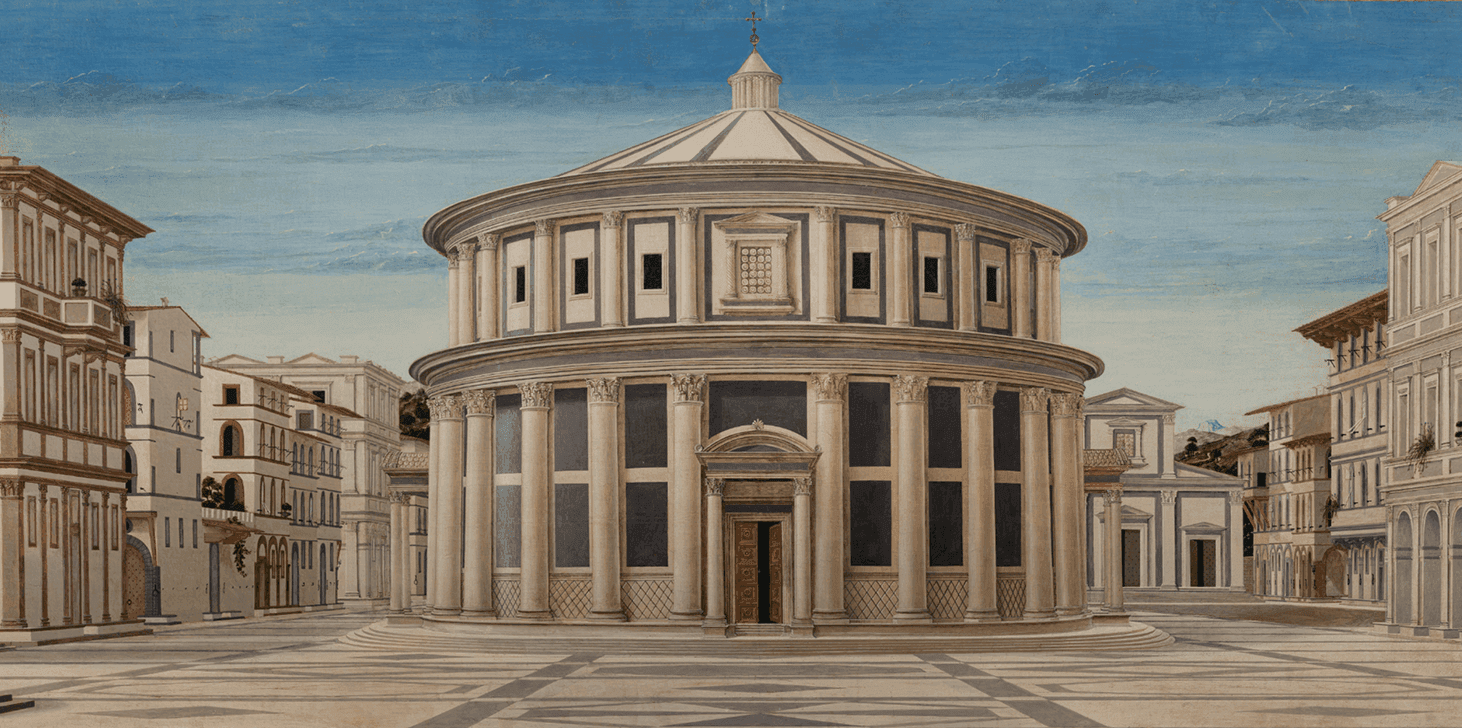
The oldest core of the museum’s collections, however, was formed in the second half of the 19th century when, by Regio Decreto No. 740 of 6 January 1861, issued by the extraordinary general commissioner for the Marche, Lorenzo Valerio, the Istituto di Belle Arti delle delle Marche was established in Urbino, with an adjoining museum intended to house the finest examples of medieval and Renaissance art from the Marche region, confiscated from dissolved religious bodies (Regio Decreto No. 705 of 3 January 1861). Thus, during the 1860s and 1870s, a large number of works of art, mainly paintings, sculptures and ceramics, mostly from Urbino and its surroundings, were brought together in the Convent of San Benedetto in Urbino, the museum’s first home.
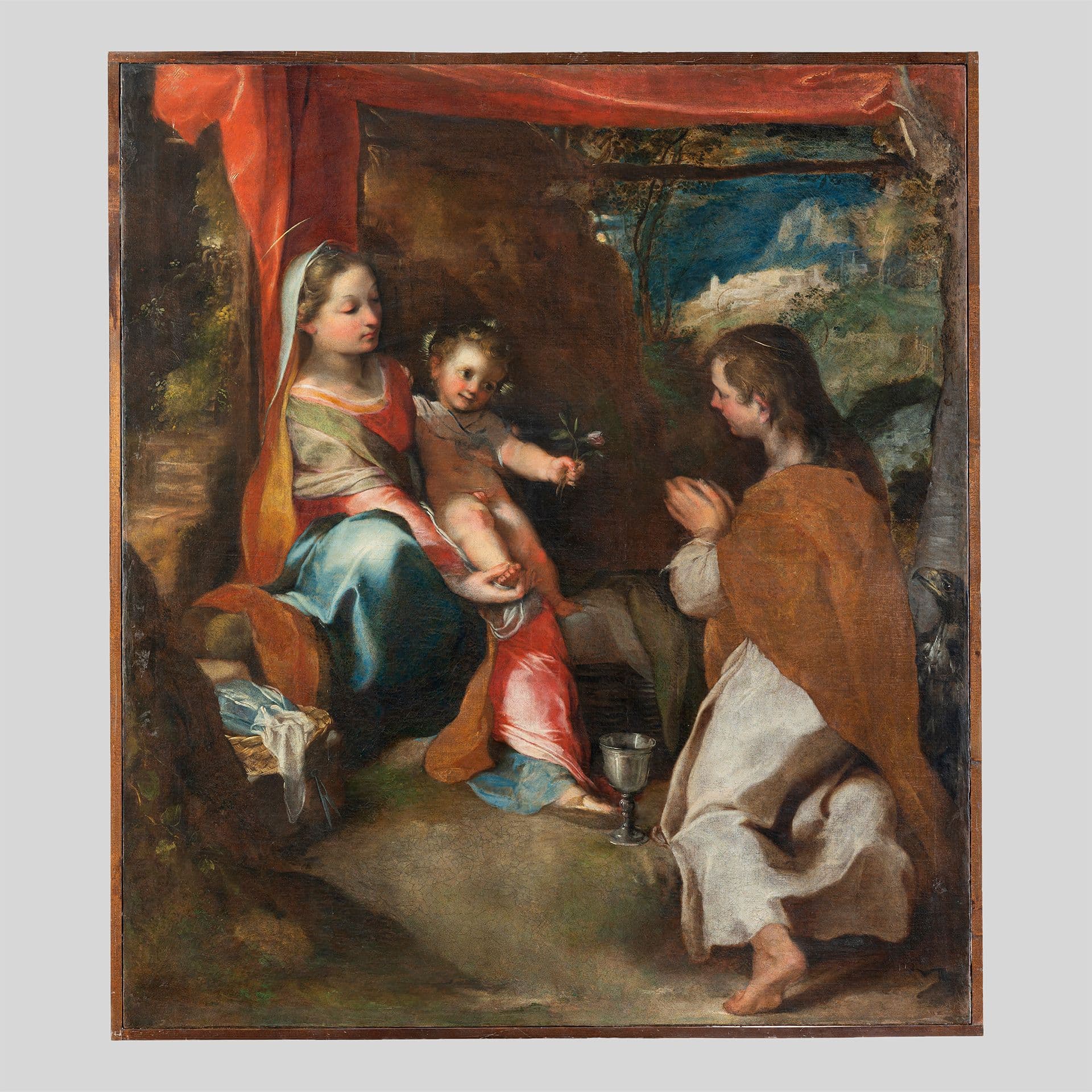
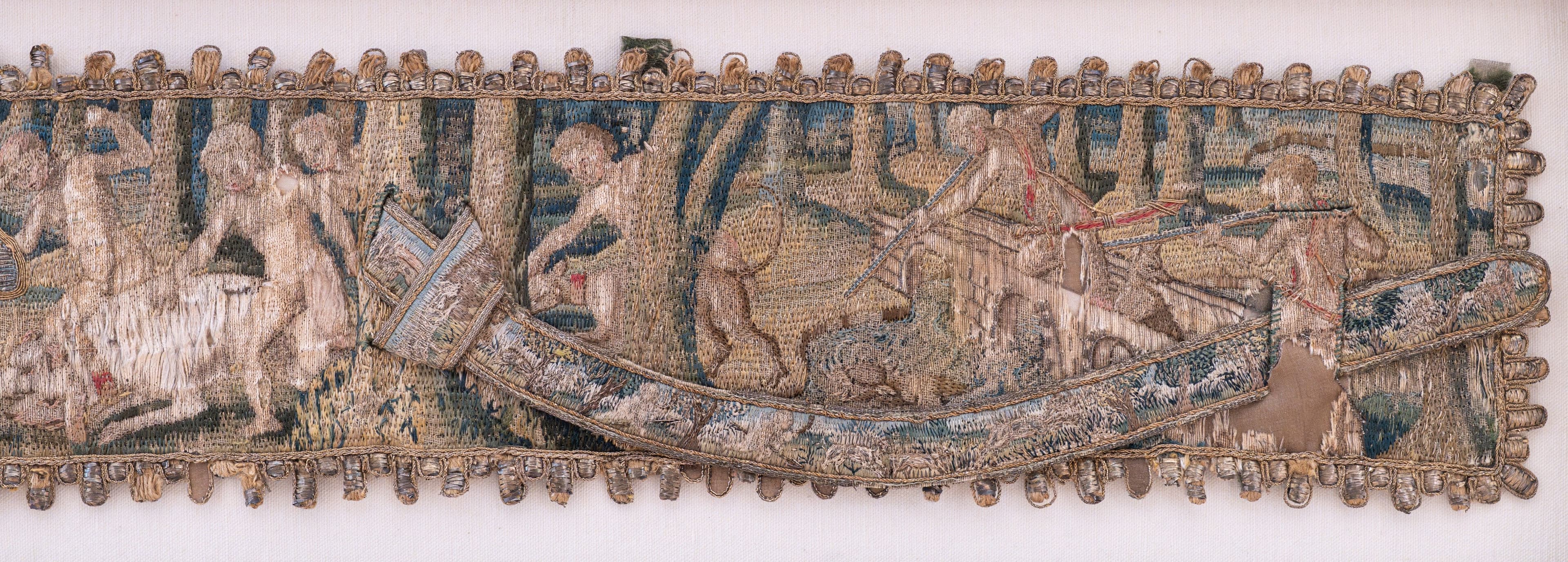
The history of this museum, which was gradually transferred to the Ducal Palace from 1883 onwards, is intertwined with deposits from the Municipality of Urbino and local religious bodies, as well as bequests and purchases from private citizens, among which the Mauruzi Bequest is particularly noteworthy.
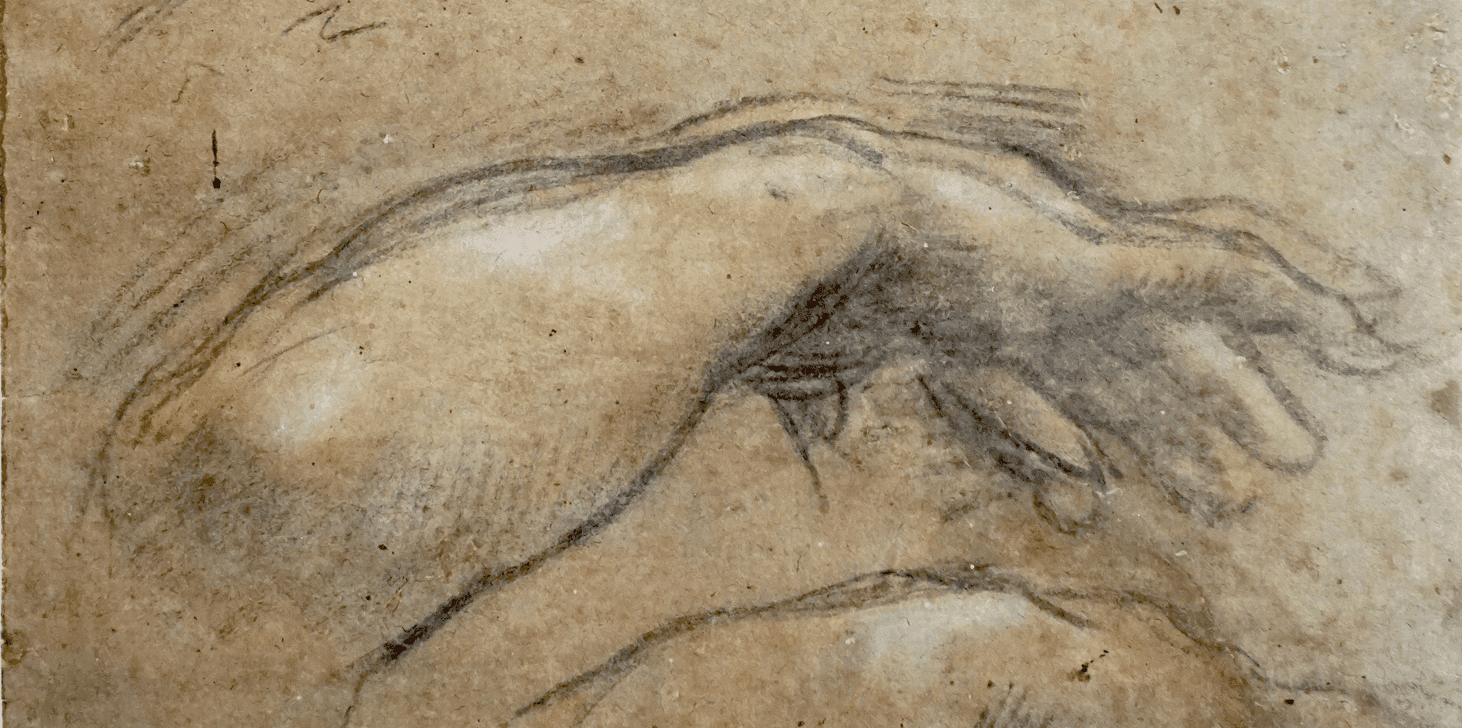
The Galleria Nazionale delle Marche saw its collections expand during the tenure of Luigi Serra, who went to great lengths to represent the art of the Marche region from the 14th to the 17th century, not only through the acquisition and deposit of paintings (including Piero della Francesca’s Flagellation and Madonna of Senigallia, and Raphael’s Muta) and sculptures, but also by expanding the collection to include graphic art (drawings and engravings), textile art (seven tapestries from the Acts of the Apostles cycle woven from Raphael’s cartoons) and ancient weapons.
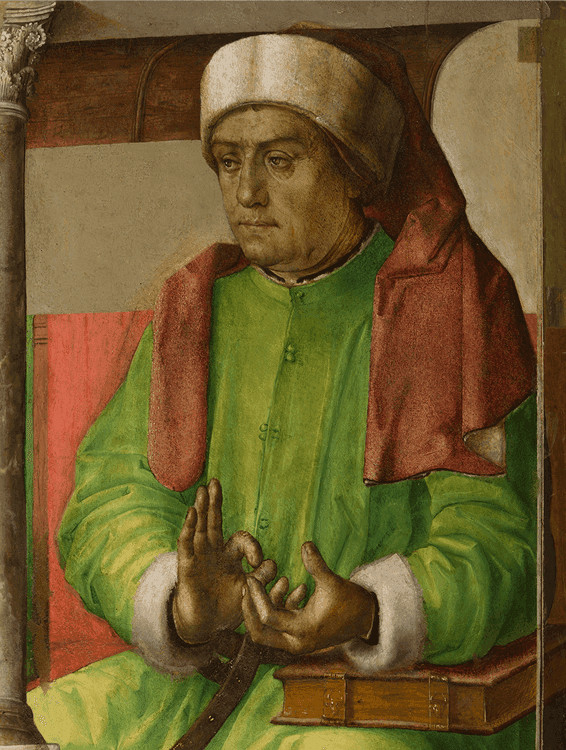
In 1934, the fourteen portraits of the Illustrious Men from Federico da Montefeltro’s studiolo returned to Urbino, together with the Double Portrait of Federico da Montefeltro and his son Guidubaldo by Pedro Berruguete: this marked the first entry into the collections of works belonging to the former residence of the Dukes.
Other significant additions to the collections during the 20th century and the early 21st century came from the State’s purchases from the collection of Vittorio Cini (1987), the two Volponi donations (1991 and 2003), the donation by Bruno Brun (1997), and finally from the loans by the Fondazione Cassa di Risparmio di Pesaro (2019) and Banca Intesa Sanpaolo (2025) and from the deposit from the Pinacoteca di Brera (ministerial project ‘100 opere svelate. Dai depositi ai Musei’, 2021).
Discover the collection
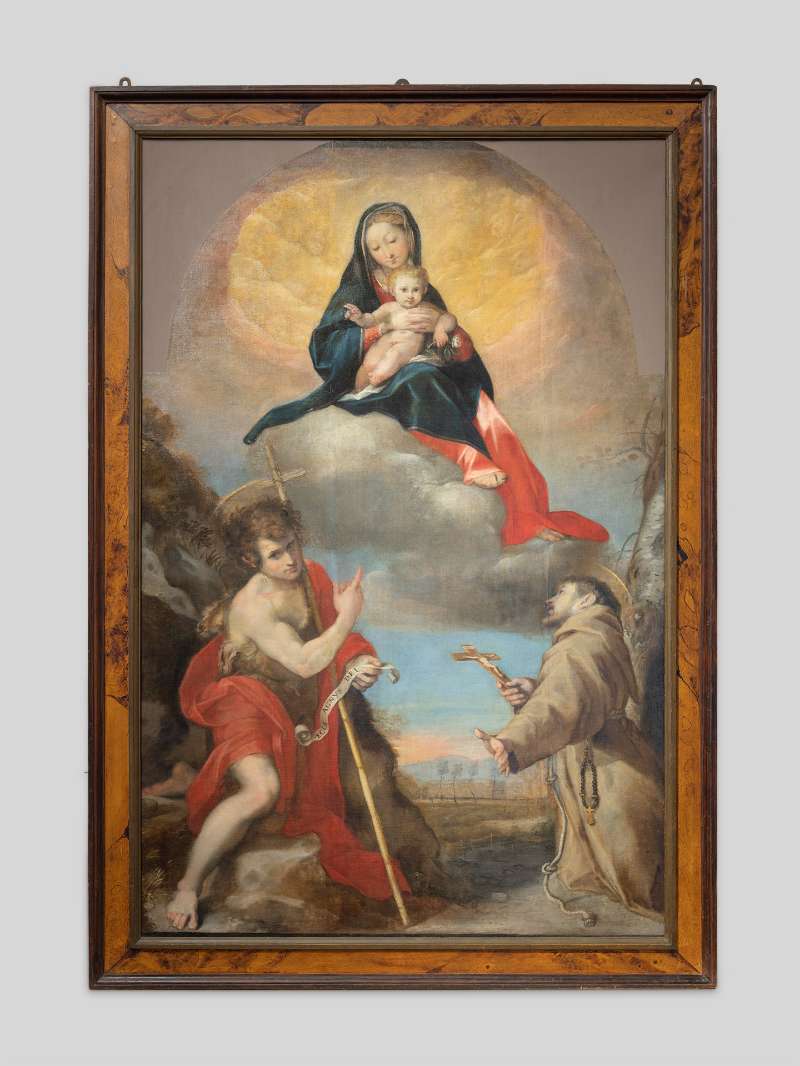
Madonna con il Bambino in gloria con San Giovanni Battista e San Francesco
Federico Barocci · 1575–1599
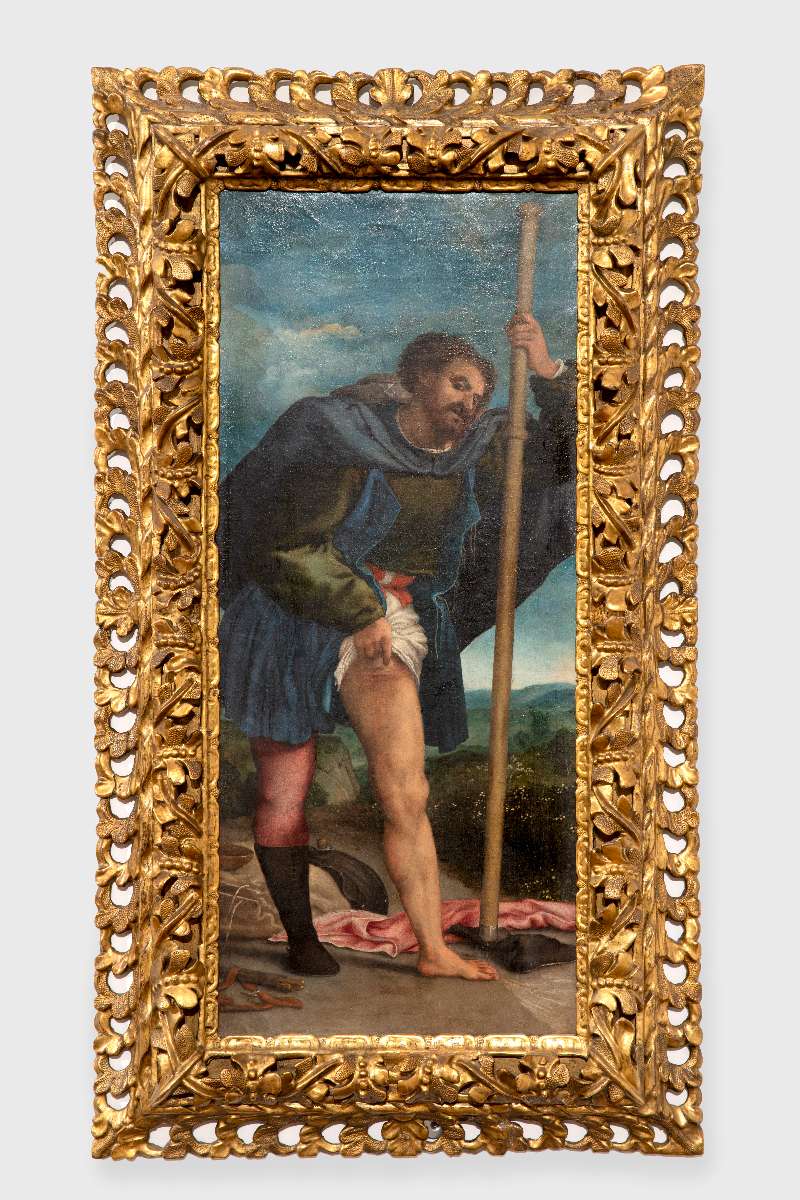
San Rocco
Lotto Lorenzo · 1549–1550
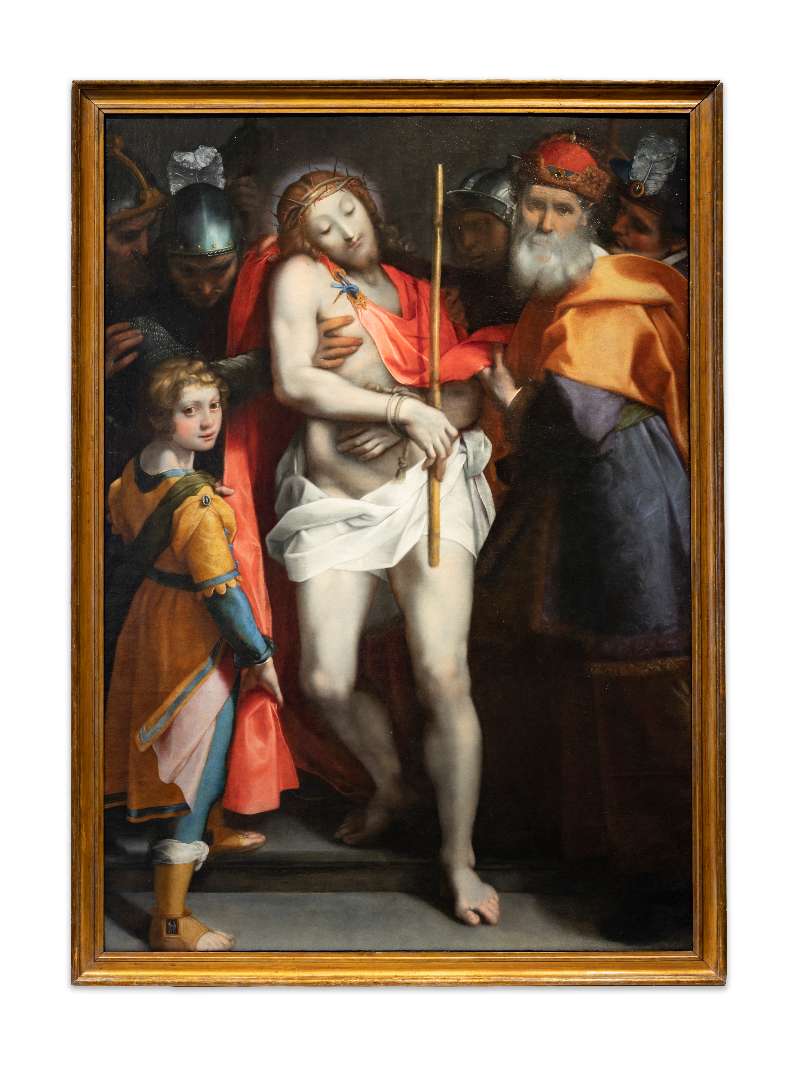
Ecce Homo
Mazza Ventura · 1612–1613
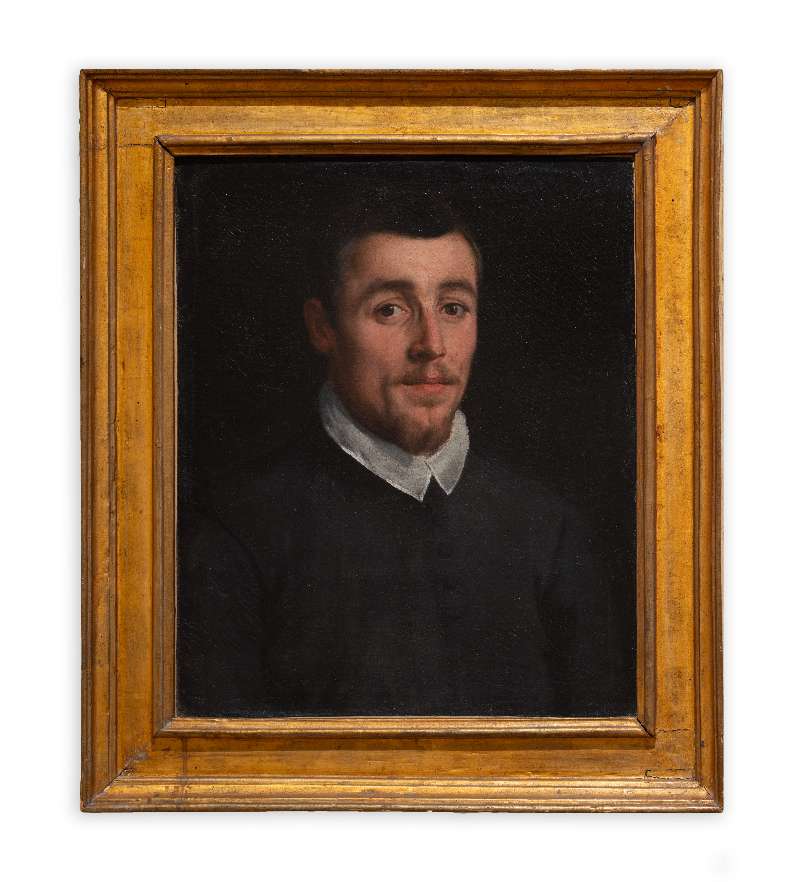
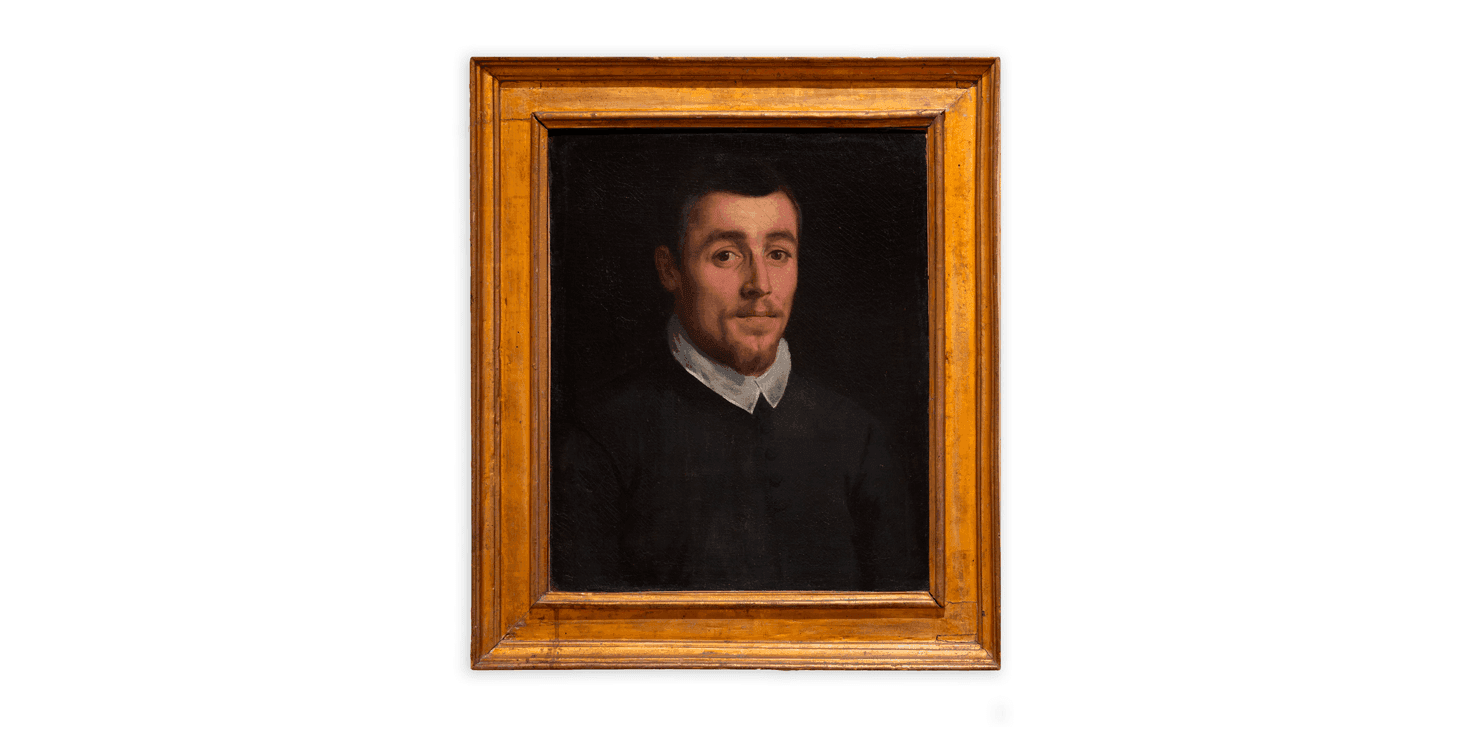
Ritratto di Felice Cioli
Ridolfi Claudio · 1602–1602
You might also like
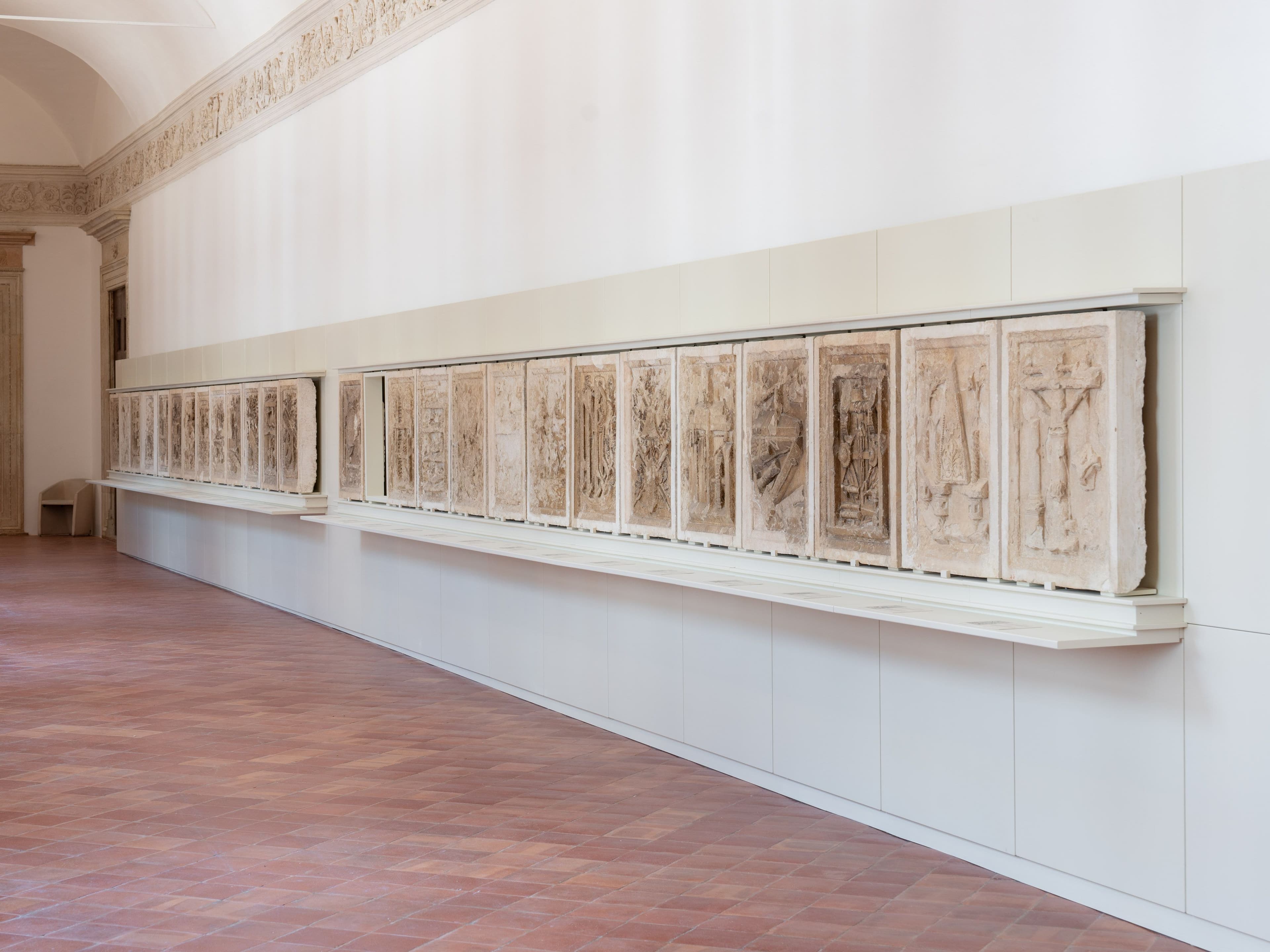
The ‘Art of War’ frieze of the Ducal Palace in Urbino
Discover more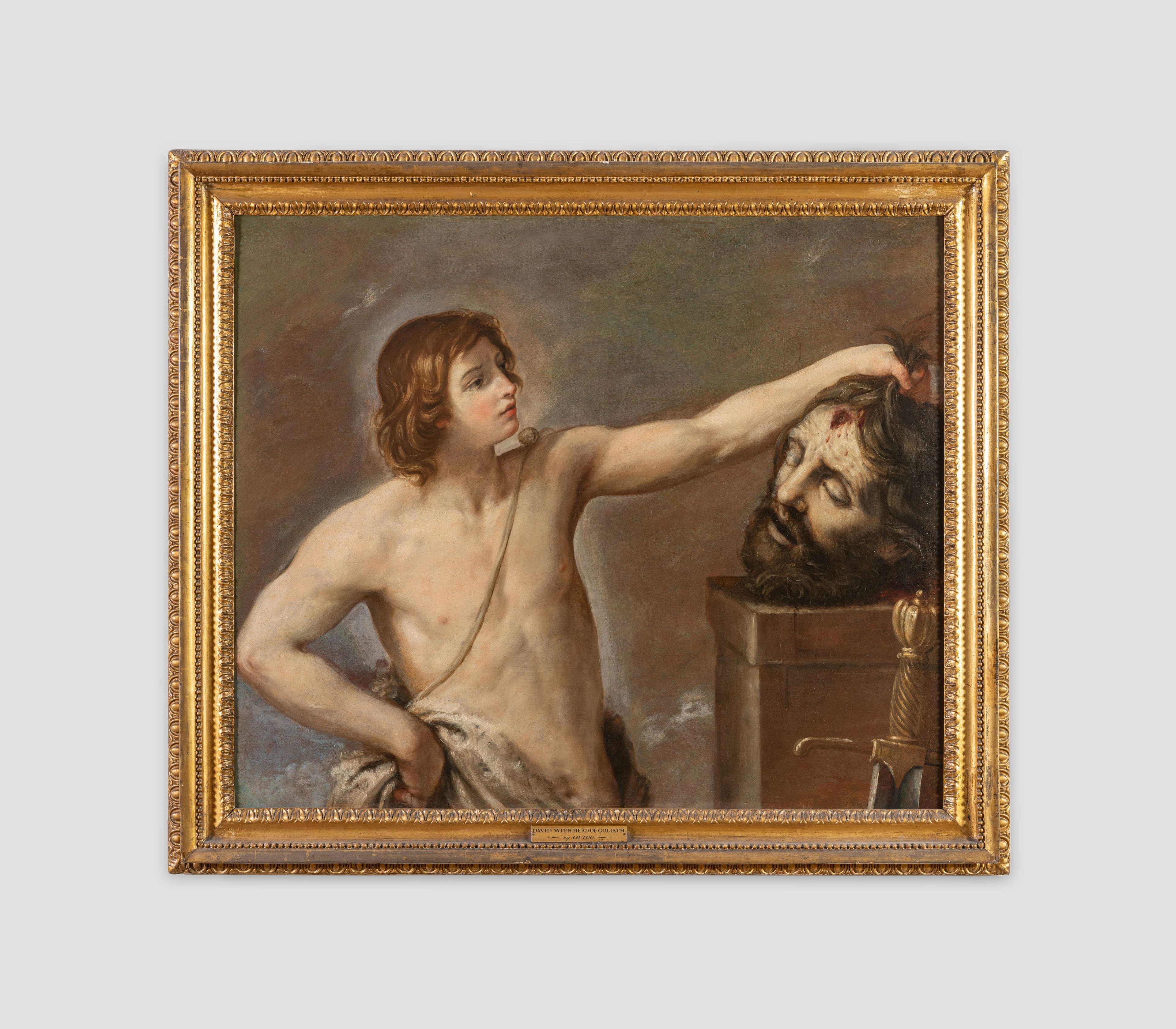
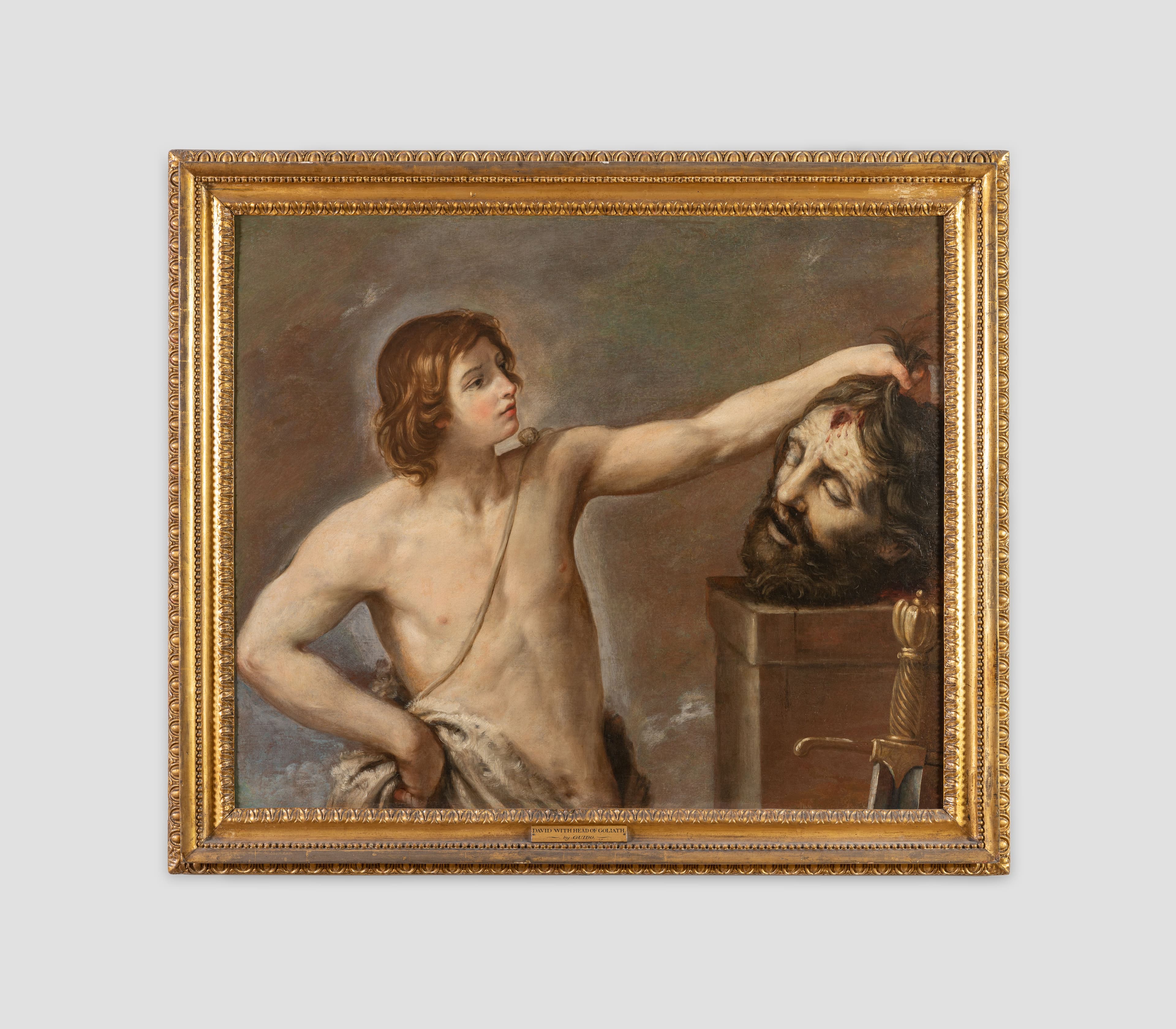
The Volponi Collection
Discover more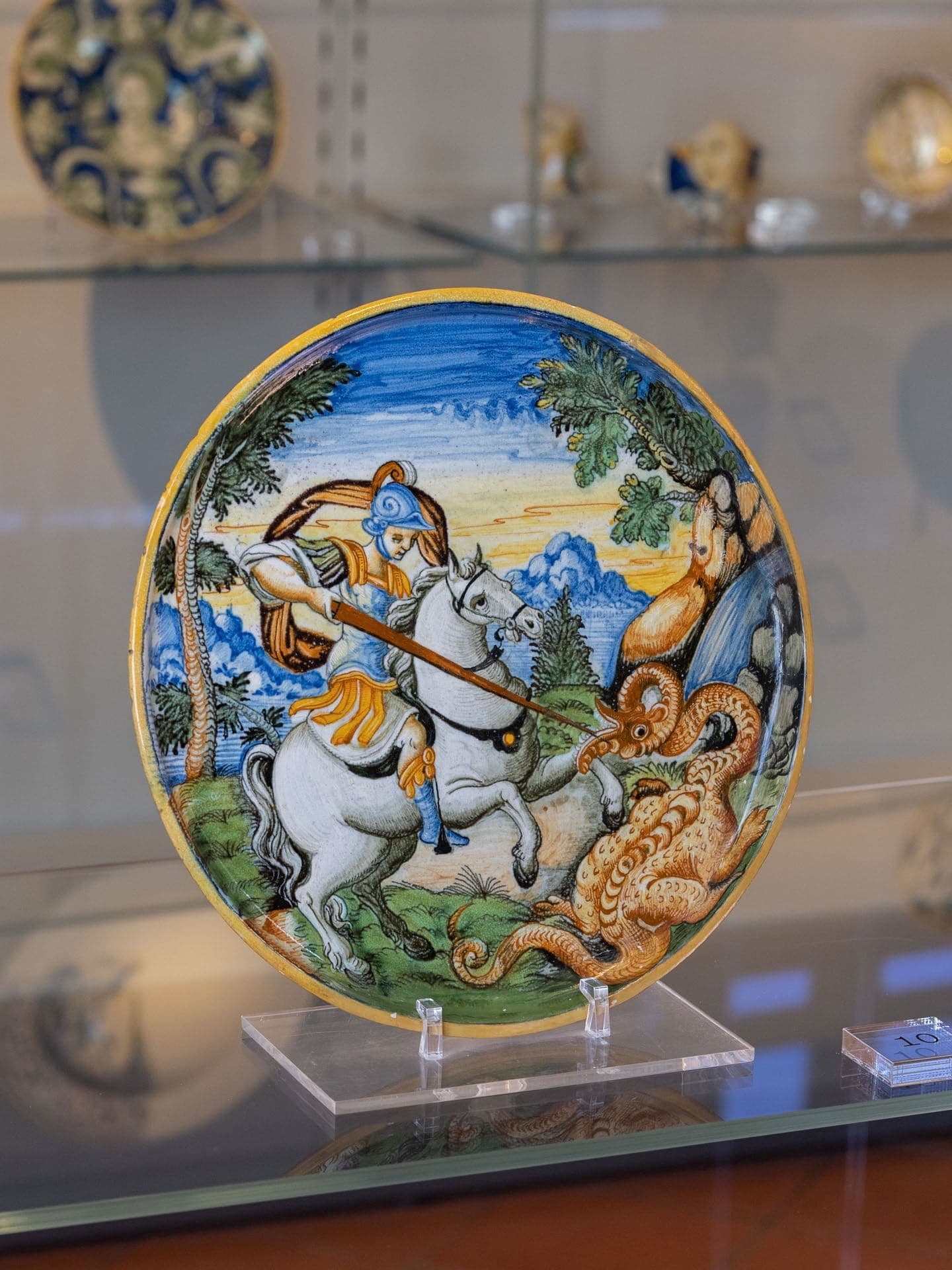
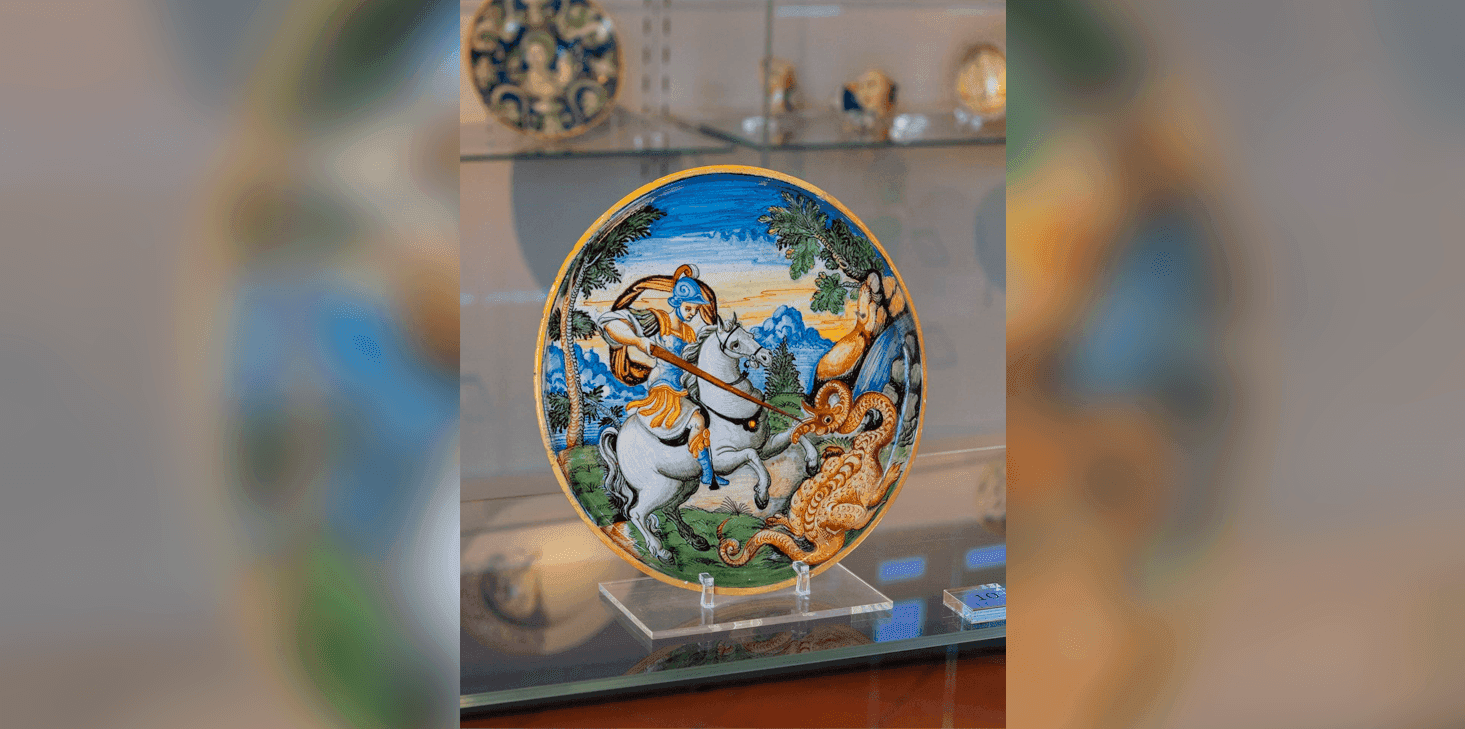
The majolica of the Galleria Nazionale delle Marche
Discover more
The Mauruzi Bequest
Discover more
The Prints and Drawings Collection of the Galleria Nazionale delle Marche
Discover more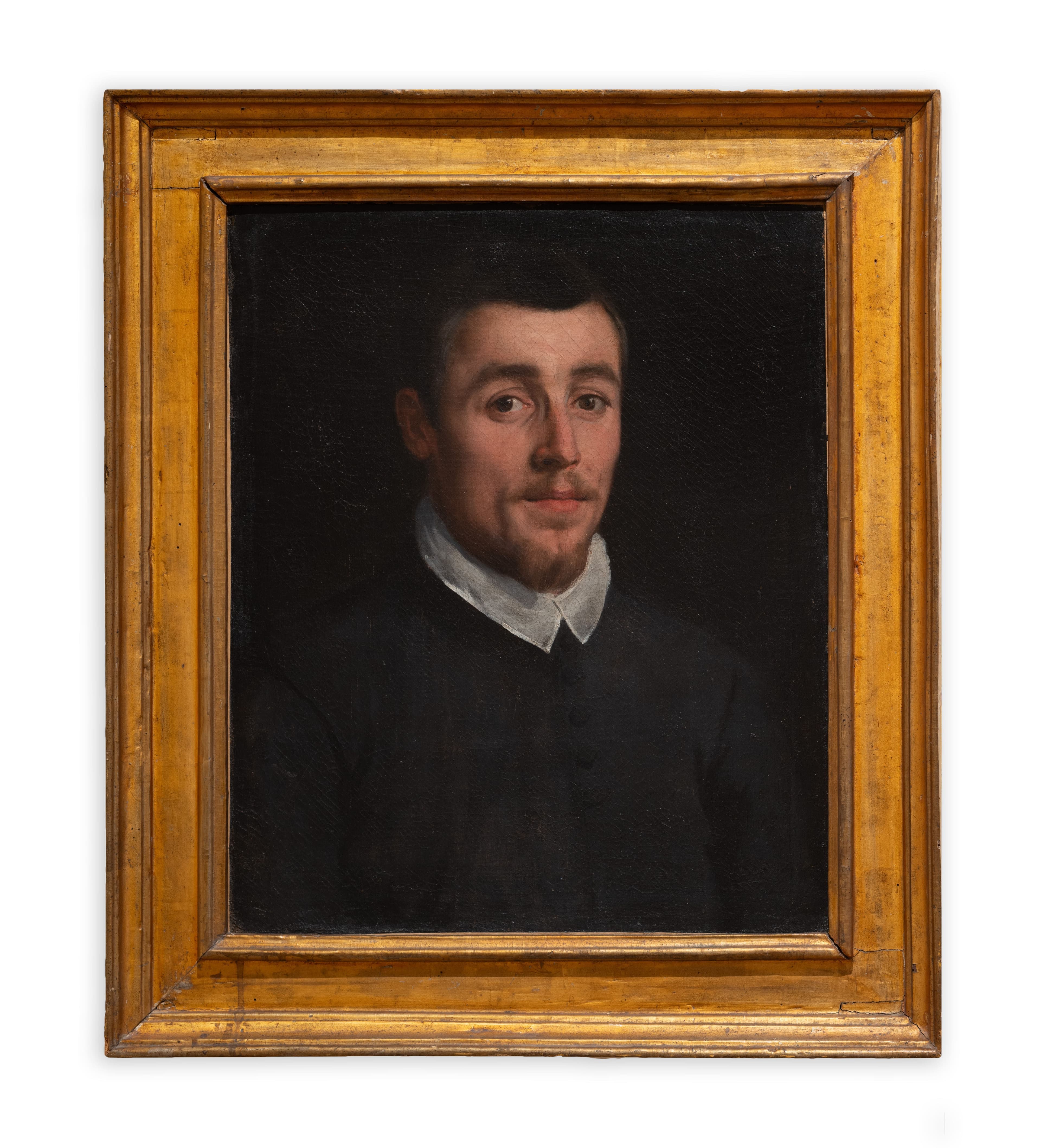
The Viviani bequests
Discover more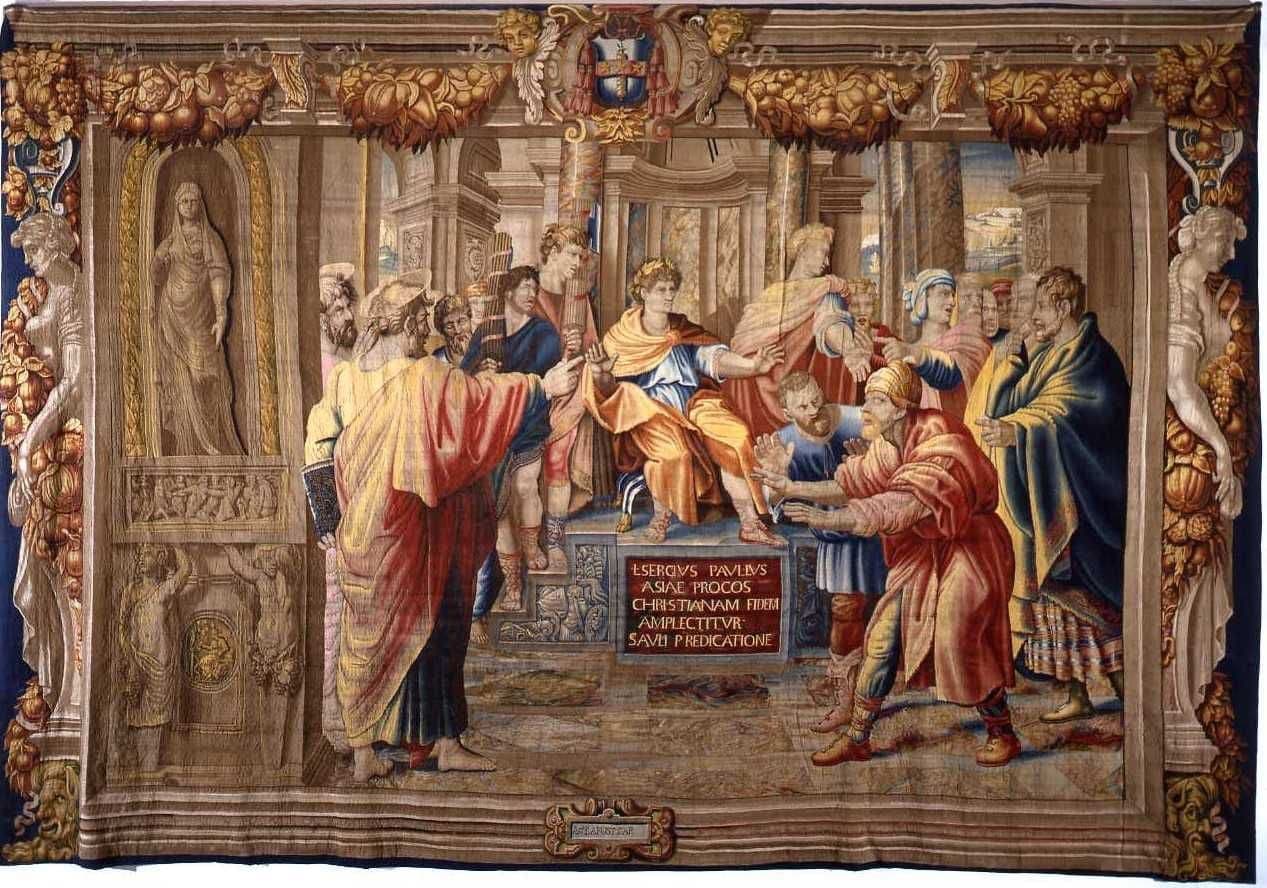
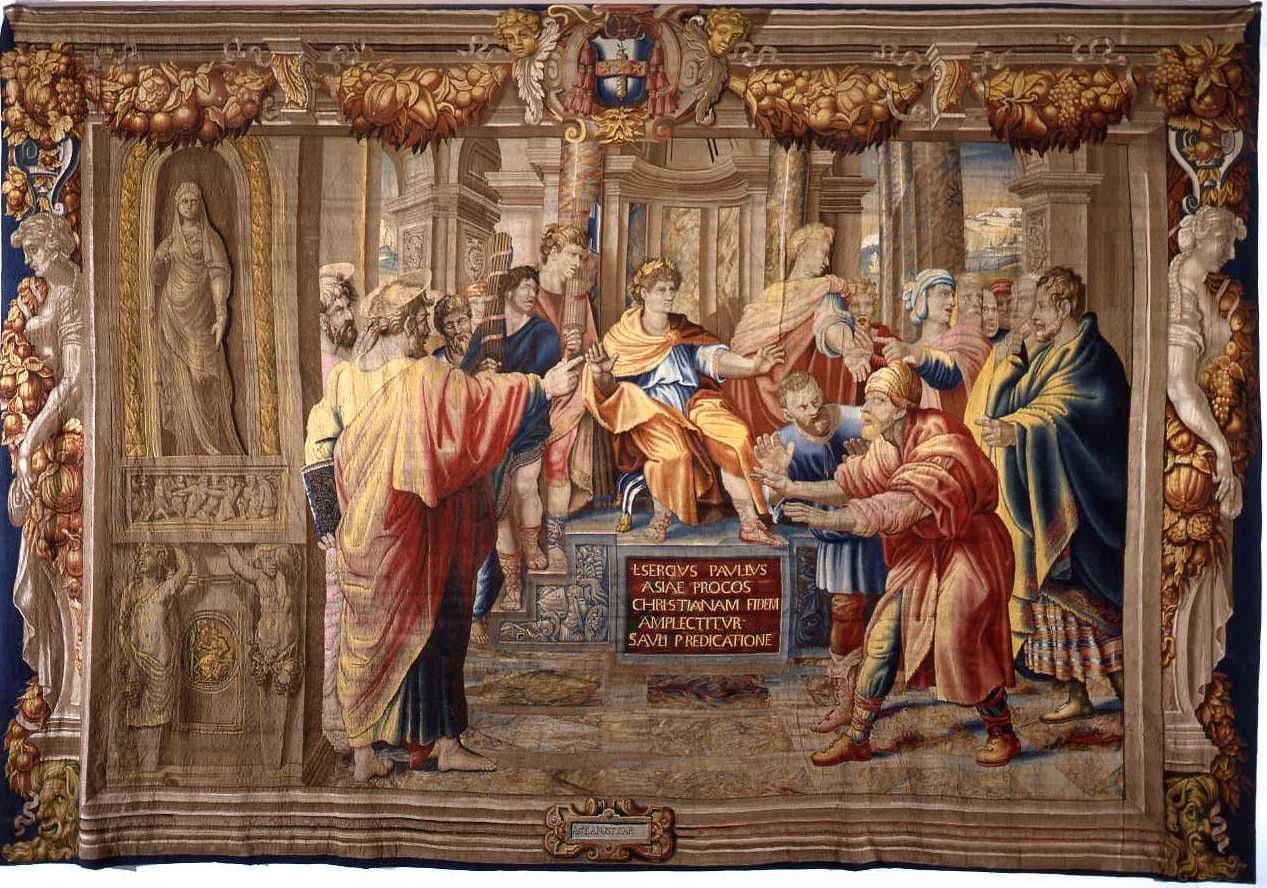
The tapestries depicting the Acts of the Apostles by Raphael, formerly owned by Cardinal Mazarin
Discover more